

Choosing the right air conditioning system for your home or workplace is not just a technical decision—it’s a crucial step toward ensuring comfort, energy efficiency, and long-term cost savings. With the wide variety of types of air conditioning systems available today, understanding the differences, benefits, and suitability of each system is essential whether you’re cooling a single room or an entire building.
In this comprehensive guide, we’ll explore the main types of air conditioning systems, from central air conditioning to portable and energy-efficient options. You’ll discover the advantages, disadvantages, and ideal use cases for each system, helping you make an informed decision that guarantees efficient, reliable, and effective cooling tailored to your specific needs.
What Is an Air Conditioning System?
An air conditioning system is a device or network of devices designed to control the temperature, humidity, and air quality in indoor spaces. Modern AC systems not only provide cooling but also enhance indoor air quality, reduce humidity, and improve overall comfort. Whether for a single room or a commercial building, understanding the mechanics and functions of AC systems is the first step toward choosing the most suitable option.
Air conditioning systems are an integral part of modern living and commercial operations. They can significantly impact energy consumption, utility costs, and even the longevity of equipment in workplaces. Therefore, selecting the right system requires careful consideration of space size, building type, and climate conditions.
How to Choose the Right Air Conditioning System
When evaluating different types of air conditioning systems, consider the following factors:
- Space Requirements: Larger homes or commercial buildings may benefit from central air conditioning, while smaller apartments may only require a window or portable unit.
- Energy Efficiency: Energy-efficient systems, such as ductless mini-splits or hybrid systems, reduce electricity bills and environmental impact.
- Installation Costs: Some systems, like central AC, require significant upfront costs, while portable units are cheaper to install.
- Maintenance Needs: Regular servicing extends the lifespan of the system. Certain AC types, such as split systems, require more maintenance than simpler options like window units.
- Noise Levels: If a quiet environment is important, consider ductless mini-splits or high-efficiency central AC systems.
- Climate Compatibility: In very hot climates, high-capacity or multi-zone systems might be necessary for optimal performance.
Making an informed decision ensures comfort, efficiency, and longevity of your system, whether it’s for residential or commercial purposes.
Types of Air Conditioning Systems
Air conditioning systems can be categorized based on installation type, efficiency, and functionality. Below are the most common types of air conditioning systems and their characteristics:
1. Central Air Conditioning Systems
Central air conditioning systems are widely used in homes and large commercial spaces. They consist of a central unit that cools air and distributes it through a network of ducts.
How it Works:
A central air conditioner extracts heat from indoor air and transfers it outside, then circulates cooled air through ducts and vents in each room.
Best For:
- Large homes
- Offices and commercial buildings
Pros:
- Even cooling throughout the space
- Integrated with heating systems for year-round comfort
- High energy efficiency when properly maintained
Cons:
- High initial installation cost
- Ductwork requires periodic cleaning
- Installation can be complex and time-consuming
Central AC systems are ideal for those looking for long-term comfort and efficiency in larger spaces.
2. Split Air Conditioning Systems
Split air conditioning systems are popular in residential and small commercial settings. They consist of an outdoor compressor and one or more indoor air handlers.
How it Works:
The outdoor unit compresses and circulates refrigerant, while the indoor unit distributes cooled air directly into the room. Split systems can be single-split (one indoor unit) or multi-split (multiple indoor units for several rooms).
Best For:
- Apartments
- Single-family homes
- Small offices
Pros:
- Flexible installation options
- Quiet operation
- More energy-efficient than window units
Cons:
- Higher cost than window or portable ACs
- Requires professional installation
- Indoor unit visibility may affect interior aesthetics
Split systems provide room-specific cooling without the need for ductwork, making them ideal for energy-conscious users.
3. Ductless Mini-Split Systems
Ductless mini-splits are similar to split systems but do not require ducts. They are excellent for homes without existing ductwork or for room-by-room cooling.
How it Works:
The outdoor unit connects directly to one or more indoor units via a refrigerant line. Each indoor unit can operate independently, allowing personalized temperature control.
Best For:
- Older homes without ducts
- Room additions or renovations
- Energy-efficient cooling
Pros:
- Individual room control
- High energy efficiency
- Easy installation compared to central AC
Cons:
- Higher upfront cost than window units
- Multiple units may affect aesthetics
Ductless mini-splits are an excellent choice for targeted, energy-efficient cooling with flexibility in design and operation.
4. Window Air Conditioners
Window air conditioners are compact units installed in a window or wall opening. They are a cost-effective solution for cooling individual rooms.
How it Works:
A single unit houses the compressor, condenser, and evaporator. It draws warm air from the room, cools it, and expels heat outside.
Best For:
- Single rooms or small apartments
- Temporary cooling needs
Pros:
- Affordable and easy to install
- Ideal for renters or small spaces
- Requires minimal maintenance
Cons:
- Only cools one room
- Can be noisy
- Blocks natural light from the window
Window AC units are practical for those needing quick and affordable room cooling.
5. Portable Air Conditioners
Portable air conditioners offer mobility and flexibility. They are ideal for temporary cooling or spaces where window installation is not feasible.
How it Works:
These standalone units use a hose to vent hot air outside. Some models also include dehumidifying functions.
Best For:
- Temporary spaces
- Renters without window options
- Small rooms or offices
Pros:
- Portable and easy to move
- No permanent installation required
- Includes multiple functionalities in some models
Cons:
- Less energy-efficient than other systems
- Requires venting through a window or wall
- Limited cooling capacity
Portable ACs are suitable for temporary cooling solutions and offer the convenience of mobility.
6. Packaged Air Conditioning Systems
Packaged AC systems are commonly used in commercial buildings. The entire cooling mechanism is contained in a single outdoor unit.
How it Works:
All components—compressor, condenser, and evaporator—are housed in one package. Air is then circulated through ducts into the building.
Best For:
- Retail spaces
- Offices
- Small commercial facilities
Pros:
- Compact design
- Easy maintenance
- Centralized cooling solution
Cons:
- Requires outdoor space
- Can be noisy
- Installation cost is higher than smaller units
Packaged systems are ideal for commercial spaces where centralized cooling is needed without extensive indoor equipment.
7. Hybrid / Energy-Efficient Systems
Hybrid or energy-efficient AC systems, including heat pumps, are designed to reduce energy consumption while maintaining comfort.
How it Works:
Heat pumps can switch between heating and cooling, using electricity more efficiently than traditional systems. Some hybrid systems combine gas and electric power for optimal efficiency.
Best For:
- Energy-conscious homeowners
- Regions with mild winters
- Long-term cost savings
Pros:
- Highly energy-efficient
- Reduces utility bills
- Environmentally friendly
Cons:
- Higher upfront cost
- Requires professional installation and maintenance
Hybrid systems are excellent for users looking to combine environmental responsibility with energy savings.
Best place to buy of conditioning systems
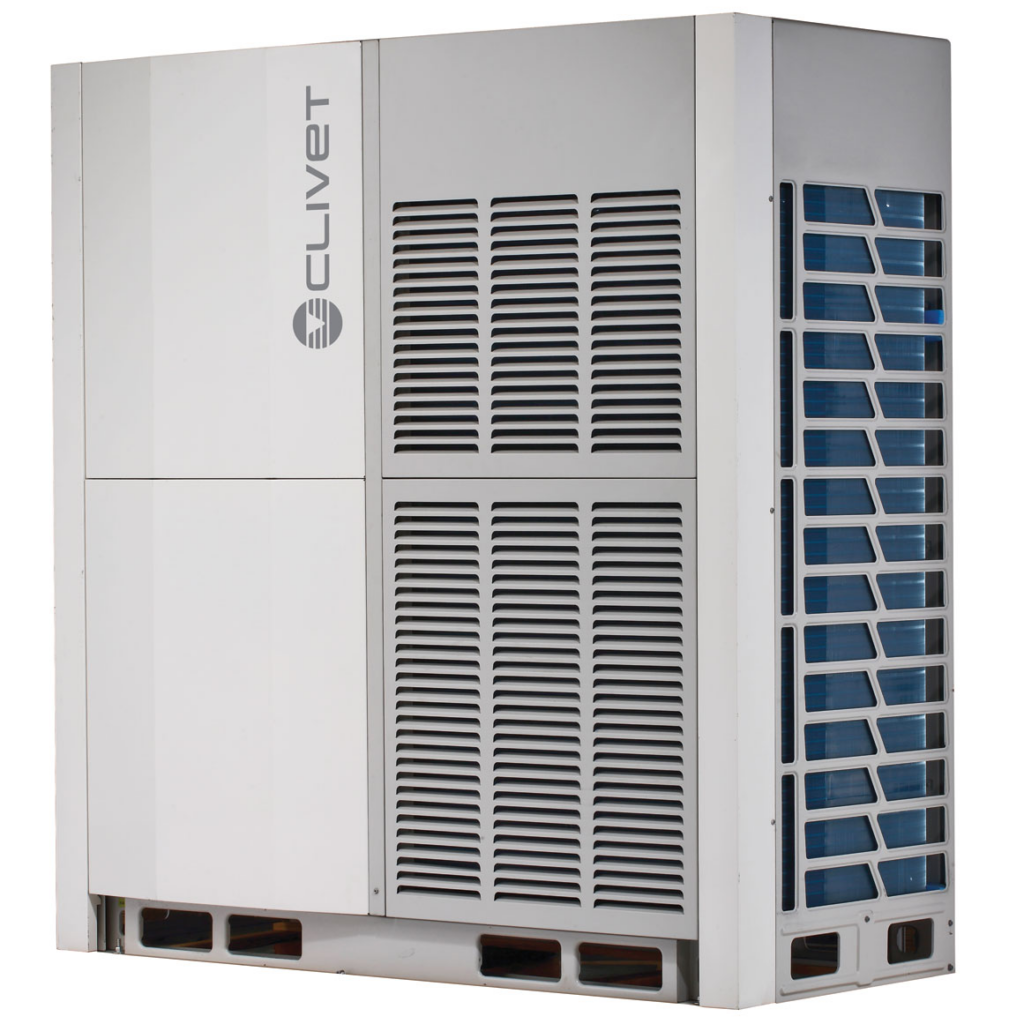
When it comes to investing in high‑quality air conditioning systems, choosing a reputable supplier is just as important as selecting the right type of AC unit. One of the standout destinations for premium solutions is Fleifel & Co., a well‑established provider of HVAC, heating, and sanitary equipment with decades of industry experience. Fleifel partners with Clivet, a leading European manufacturer known for designing and producing advanced air conditioning systems that perform reliably in residential, commercial, and industrial settings.
Clivet products available through Fleifel & Co. encompass a wide range of innovative solutions — from single split units and ducted systems to high‑efficiency VRF (Variable Refrigerant Flow) systems that offer precise control and energy savings for larger buildings. Each system is engineered for optimal performance, helping improve indoor comfort while reducing energy consumption.
One of the key advantages of purchasing from Fleifel & Co. is their comprehensive after‑sales support, which includes warranty coverage against manufacturing defects, fast maintenance response times, and year‑round availability of spare parts to minimize downtime. This level of service ensures customers can enjoy long‑term reliability from their air conditioning investment.
Whether you’re upgrading your home cooling system or planning large‑scale climate control for a business space, Fleifel & Co.’s range of Clivet air conditioning products offers a trusted place to buy systems that balance performance, efficiency, and durability — backed by professional support and reliable service.
Common Questions
1. Which AC system is best for a small apartment?
Window AC units or ductless mini-splits are usually ideal for small spaces.
2. How much does a central AC system cost?
Installation costs vary widely, ranging from $3,000 to $10,000 depending on size and features.
3. What is the most energy-efficient AC system?
Ductless mini-splits and hybrid systems are among the most energy-efficient options available.
4. How often should AC systems be serviced?
Most AC systems should be serviced annually to ensure optimal performance and longevity.
5. Can I install a split system myself?
Professional installation is highly recommended due to complexity and refrigerant handling.
Conclusion
Understanding the different types of air conditioning systems is essential for making an informed decision that ensures comfort, efficiency, and long-term value. From central air systems designed for large homes and commercial spaces, to portable and ductless options ideal for smaller areas, each system comes with unique advantages and considerations. By evaluating your specific needs whether it’s energy efficiency, installation costs, or maintenance requirements you can choose a solution that perfectly matches your lifestyle or business environment.
For those seeking high-quality, reliable air conditioning systems, partnering with a trusted supplier like Fleifel & Co. for Clivet products provides not only superior performance but also peace of mind through professional support, warranties, and readily available maintenance services. Investing in the right air conditioning system today guarantees a comfortable, cool, and energy-efficient environment for years to come.
Leave A Comment