
In today’s modern commercial environments, a reliable and efficient air conditioning system is not just a comfort feature — it’s a core business requirement. Whether you’re managing offices, warehouses, schools, retail stores, or industrial plants, the performance of your commercial AC unit directly impacts productivity, customer experience, indoor air quality, and operational costs. This comprehensive guide will walk you through everything you need to know about commercial AC — from types and benefits, to installation, maintenance, repair services, and cost considerations.
Throughout this article, we’ll also reference real‑world service areas and search terms like commercial AC repair Canton, raleigh nc commercial AC repair service, and commercial AC installation Atlanta to help you understand where these services are commonly needed and how professionals approach them. Let’s dive in.
What Is a Commercial AC System?
A commercial AC system is a robust air‑conditioning solution designed to cool large spaces and support high occupancy levels. These systems are engineered to handle the unique demands of commercial properties from office buildings and hospitals to restaurants and shopping centers.
Unlike residential units, which typically cool single rooms or small homes, commercial units must:
- Deliver consistent cooling across large areas.
- Operate efficiently under heavy loads.
- Integrate with building automation systems.
- Provide advanced air filtration and ventilation.
For example, businesses searching for commercial AC unit installation often need equipment capable of managing complex airflow requirements and long operating hours.
Types of Commercial AC Units
Understanding the different types of commercial AC solutions is crucial when planning installation or upgrades. The right choice depends on your building size, budget, energy goals, and existing infrastructure.
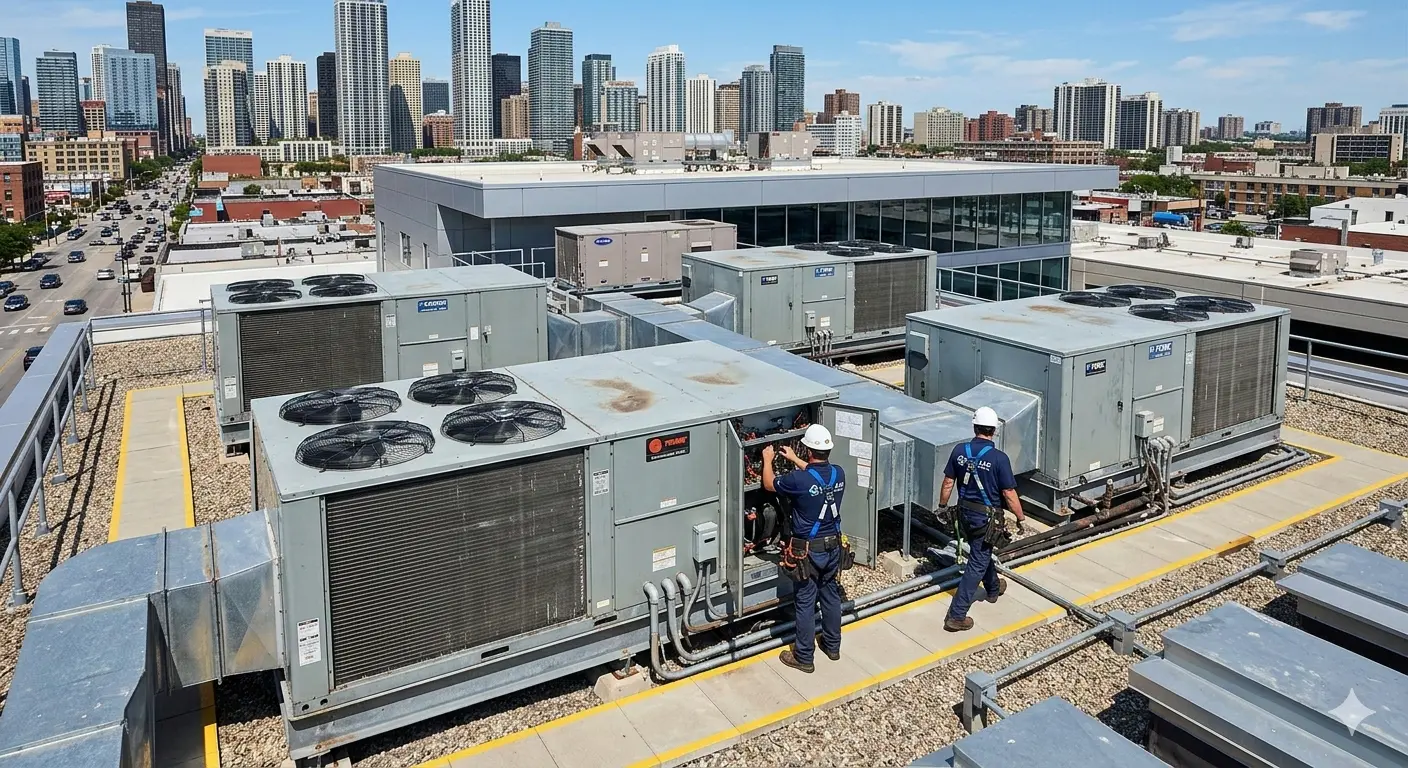
Rooftop Commercial AC Units
Rooftop units are popular in large commercial buildings because they centralize cooling in a single outdoor package. These units are generally easier to maintain and can handle significant cooling loads.
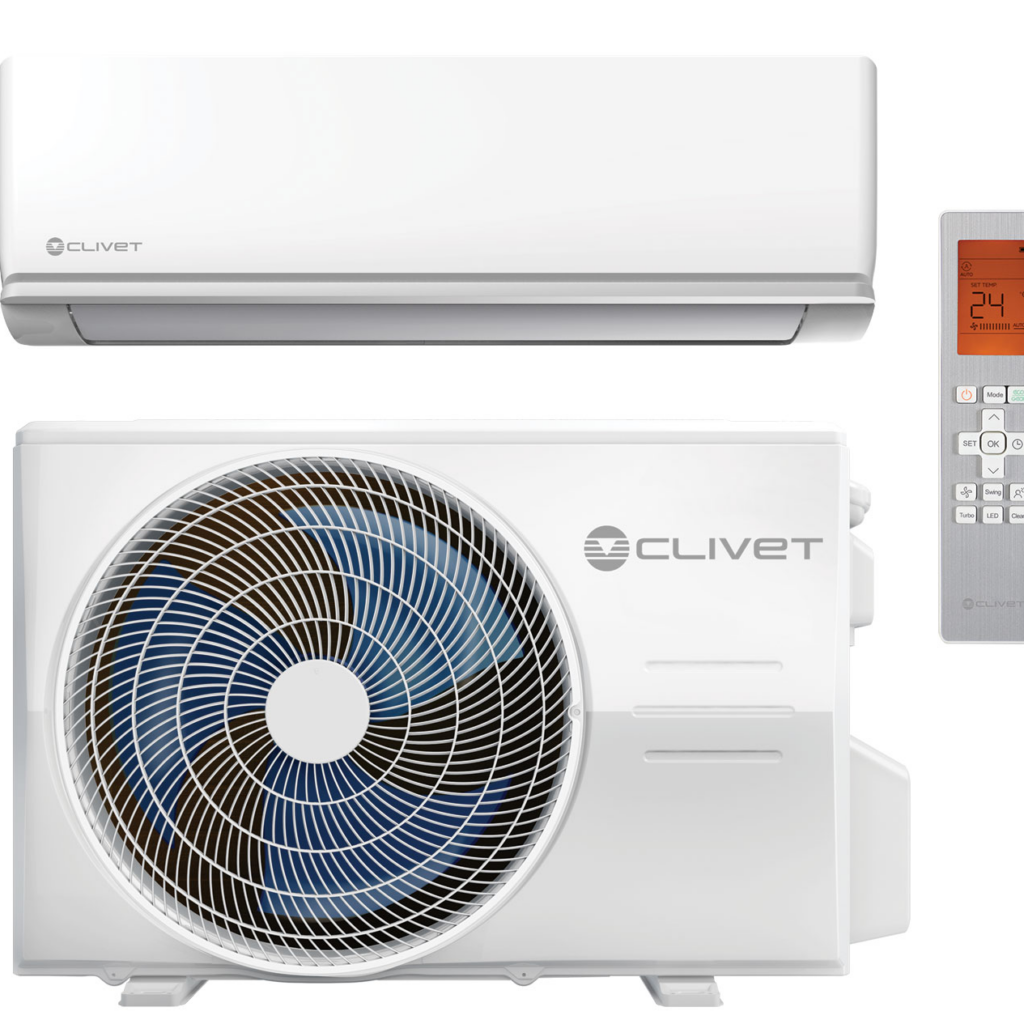
Split System Commercial AC
Split systems have an outdoor compressor and an indoor air handler. They’re ideal for spaces where ductwork isn’t feasible or when zoning is necessary.
Chillers and Large‑Scale HVAC
For industrial environments or campuses, chillers and centralized HVAC systems are common. These systems often require professional planning and installation, such as commercial AC installation Georgetown or local commercial AC installation services.
Packaged Heating and Cooling Units
Some commercial settings require both heating and cooling capabilities. In such cases, packaged heat units or commercial AC heat units deliver dual functionality in one system.
Why Commercial AC Matters for Businesses
Efficient commercial AC systems bring benefits far beyond temperature control:
Improved Comfort and Productivity
Employees and customers perform better when indoor environments are comfortable. Poor airflow or inconsistent cooling can reduce worker productivity — something no business wants.
Energy Efficiency and Cost Savings
Modern commercial AC systems include energy‑saving technologies that lower operational costs. Regular maintenance, like commercial AC maintenance Fort Wayne IN or commercial AC maintenance Auburn IN, ensures systems run at peak efficiency.
Enhanced Air Quality
Commercial systems with advanced filtration improve air quality by reducing dust, allergens, and pollutants especially important in healthcare or retail settings.
Equipment Longevity
Proper installation and routine servicing significantly extend the life of your commercial AC unit. A neglected system often fails prematurely, increasing total lifecycle costs.
How to Choose the Right Commercial AC System
Selecting the correct commercial AC system is a strategic decision. Here’s a step‑by‑step process to guide you:
Determine Cooling Load
Professional technicians calculate cooling load based on building size, insulation quality, windows, occupancy, equipment heat output, and local climate conditions.
Assess System Type
Decide between rooftop units, split systems, chillers, or packaged solutions based on your specific needs.
Consider Energy Efficiency
Look for systems with high SEER (Seasonal Energy Efficiency Ratio) and smart control options to reduce long‑term energy costs.
Evaluate Budget and ROI
Budgeting for commercial AC replacement or commercial AC installation Raleigh NC should include equipment cost, installation labor, utility savings, and future maintenance.
Check Local Support
Choosing a regionally experienced installer, such as raleigh nc commercial AC repair service or commercial AC replacement Travis County pros, ensures faster response times and local expertise.
Commercial AC Installation: What to Expect
Professional installation is critical for optimal system performance. Whether it’s a commercial AC installation Atlanta, commercial AC installation Georgetown, or commercial AC unit installation project, the process generally includes:
Site Assessment
Technicians review your space, existing ductwork, and electrical systems to recommend the best setup.
System Selection
Based on load calculations, experts propose specific models suited to your unique requirements.
Installation Planning
This step includes scheduling, acquiring permits, and coordinating any structural modifications.
System Installation
Qualified technicians install the new commercial AC unit, ensuring proper placement, secure mounting, and correct connections.
Testing and Optimization
After installation, professionals test system performance, calibrate controls, and verify airflow to guarantee efficiency and comfort.
For many businesses, local commercial AC installation services are preferred because they understand regional climate challenges and building codes.
Commercial AC Maintenance: Keeping Your System Healthy
Routine maintenance is vital for extending the life of your commercial AC system and ensuring efficiency. Maintenance tasks typically include:
Filter Replacement
Dirty filters restrict airflow and strain the system, reducing efficiency and increasing costs.
Coil Cleaning
Evaporator and condenser coils collect dirt over time, which diminishes heat transfer.
Checking Refrigerant Levels
Low refrigerant affects cooling performance and can damage components.
Inspecting Electrical Components
Loose or worn electrical connections are common causes of breakdowns.
Testing Thermostats and Sensors
Ensuring accurate temperature control and system responsiveness.
If you’re in the Midwest, for example, commercial AC maintenance STL is essential before summer peaks. Likewise, companies in the South often schedule commercial AC maintenance Fort Wayne IN or Auburn IN to stay ahead of heat waves.
Signs Your Commercial AC Needs Repair
Even with routine maintenance, commercial systems can develop issues. Watch for these common signs:
- Uneven cooling across zones
- Higher than normal energy bills
- Strange noises or vibrations
- Frequent cycling
- Poor air quality
When these symptoms arise, it’s crucial to contact experienced repair professionals. Searches like commercial AC repair Round Rock, commercial AC repair Canton, or raleigh nc commercial AC repair service reflect typical customer intent when systems malfunction.
Commercial AC Repair: What It Involves
Commercial AC repair is more complex than residential systems due to capacity, controls, and integrated building systems. A typical repair process includes:
Diagnosis
The technician reviews symptoms, checks system history, and performs diagnostic tests.
Part Inspection
Motors, compressors, coils, belts, and electrical components are inspected for wear and failure.
Solution Recommendation
The technician explains findings and offers options — repair, retrofit, or replacement.
Execution
Qualified professionals perform repairs, verify performance, and ensure safety compliance.
In many urban and suburban areas, reputable providers offer prompt service — for example, commercial AC repair Round Rock technicians are known for fast response, while commercial AC repair Canton teams specialize in both preventive and emergency services.
When to Replace Your Commercial AC
Knowing when to replace an aging system is critical. Consider replacement if:
- Repairs are frequent and costly
- Energy bills keep rising
- Equipment is older than 10–15 years
- Technology improvements offer substantial savings
In regions like Travis County, many businesses request commercial AC replacement Travis County services as part of modernization efforts. Replacing outdated units can lead to significant long‑term cost savings.
Choosing the Right Commercial AC Service Provider
Choosing a reliable commercial AC service provider is a critical step to ensure long-term system performance and efficiency. Businesses seeking comprehensive cooling and heating solutions should consider the provider’s technical expertise, technician training in handling commercial systems, and responsiveness to maintenance or emergency repairs. Systems like Clivet, available through Fleifel Co, are an excellent choice for businesses due to their high efficiency, advanced design, and adaptability to a variety of commercial spaces, whether offices, retail stores, or industrial facilities.
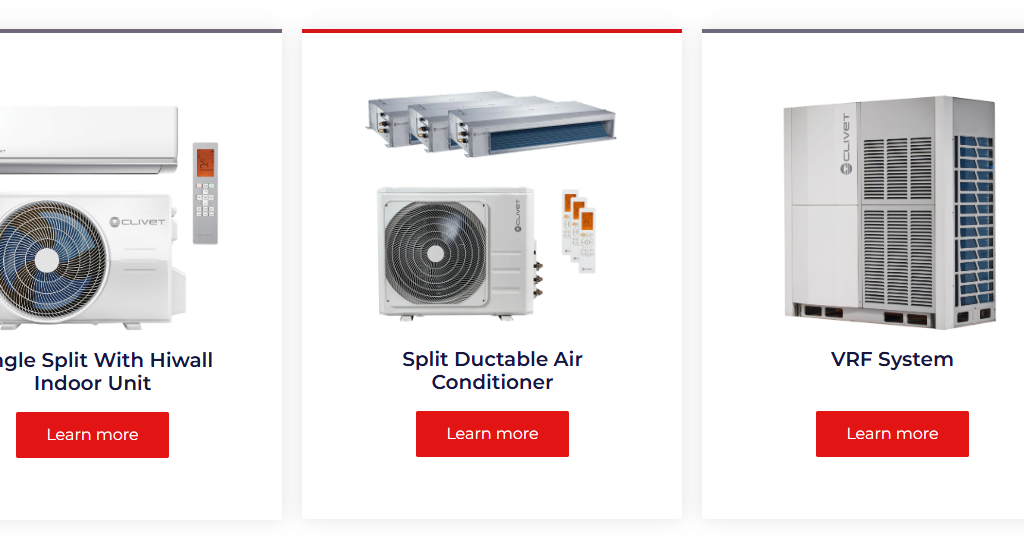
Moreover, the ideal service provider goes beyond installation, offering routine maintenance, timely parts replacement, and continuous technical support to keep the system running at peak efficiency. Having a local distributor or fast-response support ensures rapid handling of urgent issues, such as commercial AC repair Canton or raleigh nc commercial AC repair service, maintaining comfort for employees and customers while reducing operational costs. Clivet systems, backed by Fleifel Co’s professional expertise, provide the perfect combination of reliable technology and trusted service to meet all commercial air conditioning needs.
FAQ
Q: How often should a commercial AC system be serviced?
A: Most experts recommend at least twice a year, especially before peak cooling seasons.
Q: Can commercial AC systems be repaired in winter?
A: Yes — diagnosing issues early in low‑demand seasons can prevent summer breakdowns.
Q: How long does a commercial AC installation take?
A: Installation timelines vary by system complexity but typically range from a few days to several weeks for large facilities.
Q: Is it cheaper to repair or replace a commercial AC system?
A: If repair costs approach 50% of replacement value, a new system often makes financial sense.
Q: What qualifications should commercial AC technicians have?
A: Look for HVAC certifications, licensing, insurance, and proven experience with large commercial systems.
Conclusion:
Ultimately, choosing the right commercial AC system and a trusted service partner is a smart investment in the future of your business. From professional installation and routine maintenance to rapid response for emergency repairs, every step ensures the comfort of your employees and customers while minimizing long-term operational costs. A well-chosen system not only cools and heats efficiently but also enhances productivity and overall satisfaction within your commercial space.
Advanced solutions like Clivet, supported by experienced distributors such as Fleifel Co, provide the perfect combination of reliable technology, high efficiency, and continuous professional support. Investing in a quality commercial AC system is not just about comfort it’s a strategic decision that ensures a well-regulated work environment, long-term cost savings, and a more stable, successful future for your business.
Leave A Comment