Energy Efficient Air Conditioning

Energy Efficient Air Conditioning: How to Save Money and the Environment

Air conditioning has become a standard feature in homes and offices worldwide, providing comfort during hot weather. However, traditional air conditioning systems can be energy-intensive, contributing to high electricity bills and environmental impact. Today, homeowners and businesses are increasingly prioritizing energy efficient air conditioning solutions to reduce energy consumption, cut costs, and support sustainable living.

Investing in the most energy efficient air conditioning systems is not only a smart financial decision but also an environmentally responsible choice. These systems are designed to deliver optimal cooling performance while consuming minimal energy. In this article, we explore the benefits of energy-efficient air conditioning, how to select the right system, and practical tips to maximize efficiency in your home or office.

What is Energy Efficient Air Conditioning?

Energy efficient air conditioning refers to cooling systems that are designed to deliver high performance while using less electricity than standard air conditioners. Unlike conventional units, which often waste energy due to outdated technology or poor insulation, energy-efficient systems are engineered to optimize cooling without excessive power consumption.

Key Metrics for Energy Efficiency

When choosing an air conditioning system, it is essential to understand key performance indicators:

  • SEER (Seasonal Energy Efficiency Ratio): Measures cooling output per unit of energy consumed over a typical cooling season. Higher SEER ratings indicate greater efficiency.
  • EER (Energy Efficiency Ratio): Similar to SEER, but calculated under specific conditions.
  • COP (Coefficient of Performance): Used mainly in heat pumps, it reflects energy efficiency for both heating and cooling.

Types of Energy Efficient AC Units

Some of the most energy efficient air conditioning systems available today include:

  1. Inverter Air Conditioners: Adjust the compressor speed to maintain consistent temperatures, consuming less energy than traditional fixed-speed units.
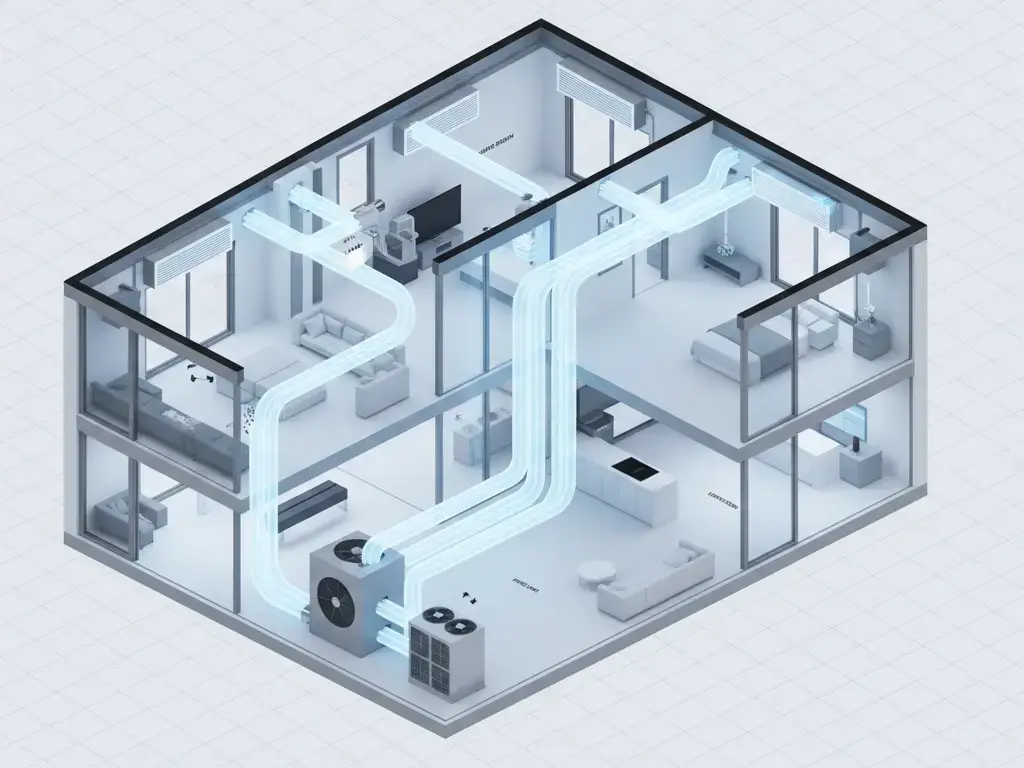
  2. Ductless Mini-Split Systems: Offer targeted cooling without the energy losses associated with ductwork.
  3. Smart Air Conditioning Systems: Integrate Wi-Fi control and programmable schedules to optimize energy use.

By understanding these options, homeowners and businesses can make informed decisions that combine comfort with sustainability.
Benefits of Energy Efficient Air Conditioning

Benefits of Energy Efficient Air Conditioning

Investing in energy efficient air conditioning brings numerous advantages beyond lower energy bills. Here are some key benefits:

Lower Energy Bills

One of the most immediate and tangible benefits is the reduction in electricity costs. While energy-efficient units may have higher upfront costs, they save money over time due to reduced energy consumption. For instance, upgrading to one of the most energy efficient air conditioning systems can cut cooling costs by up to 30% compared to conventional units.

Reduced Environmental Impact

Energy-efficient air conditioners use less electricity, reducing greenhouse gas emissions from power plants. By choosing an energy-efficient system, you are contributing to a cleaner environment and helping combat climate change.

Enhanced Comfort

Modern energy-efficient systems maintain a stable temperature more effectively. Features like inverter technology and smart sensors ensure consistent cooling without temperature swings or frequent on-off cycles.

Increased Lifespan of the AC Unit

Energy-efficient AC units often experience less wear and tear due to optimized operation, leading to a longer lifespan. Proper maintenance can extend this even further, making it a wise long-term investment.

How to Choose the Right Energy Efficient AC Unit

Selecting the right system requires careful consideration of your home or office size, cooling needs, and energy efficiency goals.

Understand Energy Ratings

Look for units with high SEER or EER ratings. Products certified by programs such as Energy Star often meet or exceed energy efficiency standards.

Consider Your Home Size & Layout

Oversized or undersized AC units can reduce efficiency. Professional assessment ensures your system matches your space, optimizing comfort and energy use.

Inverter vs. Non-Inverter AC

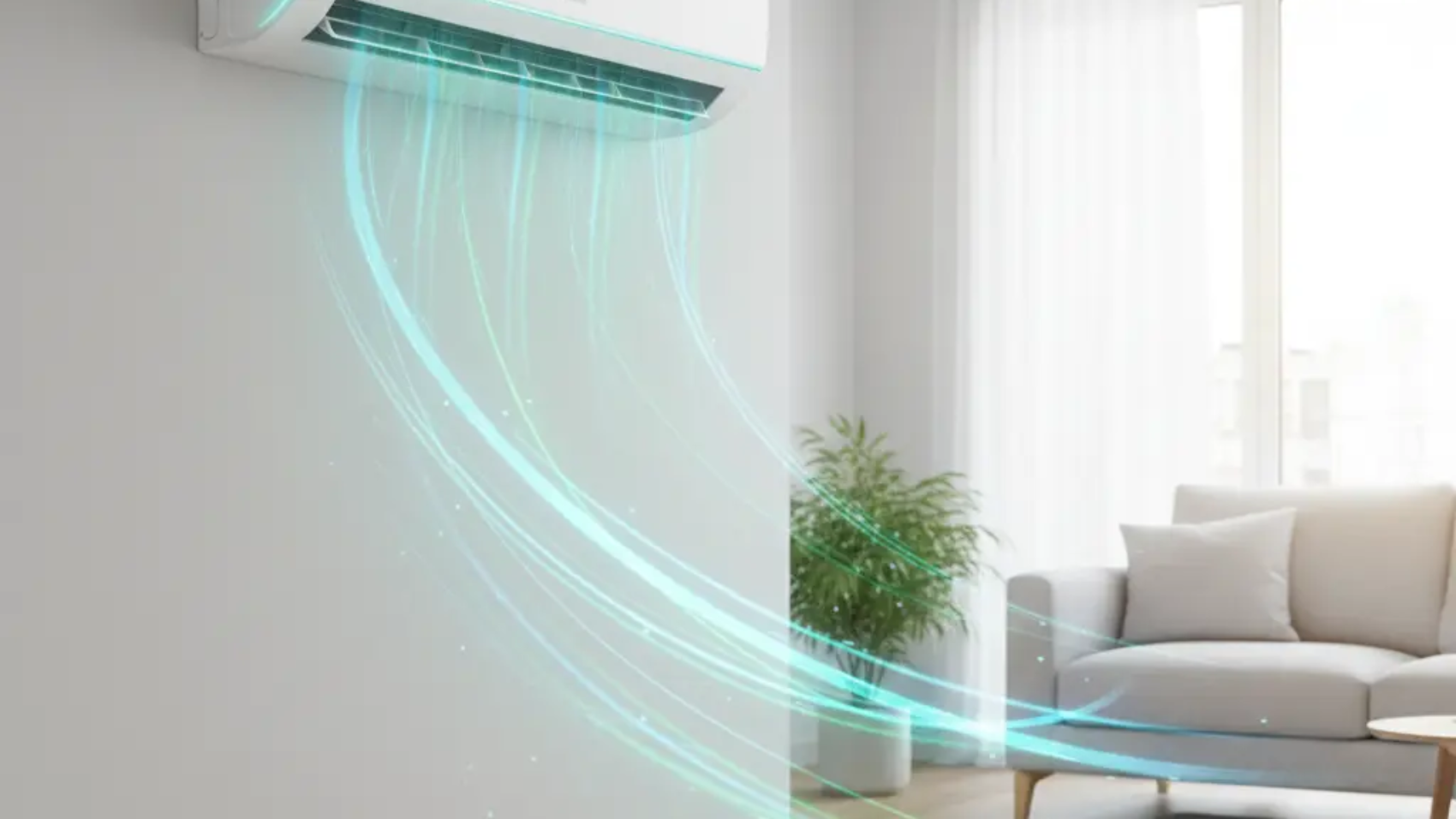
Inverter technology allows compressors to adjust speed according to cooling demand. This leads to substantial energy savings and improved temperature control compared to traditional non-inverter systems.

Smart Features

Wi-Fi-enabled AC units or programmable thermostats allow you to schedule cooling based on your routine. This prevents energy waste when rooms are unoccupied.
Tips to Maximise AC Energy Efficiency

Even the most energy efficient air conditioning systems perform better when paired with smart usage practices:

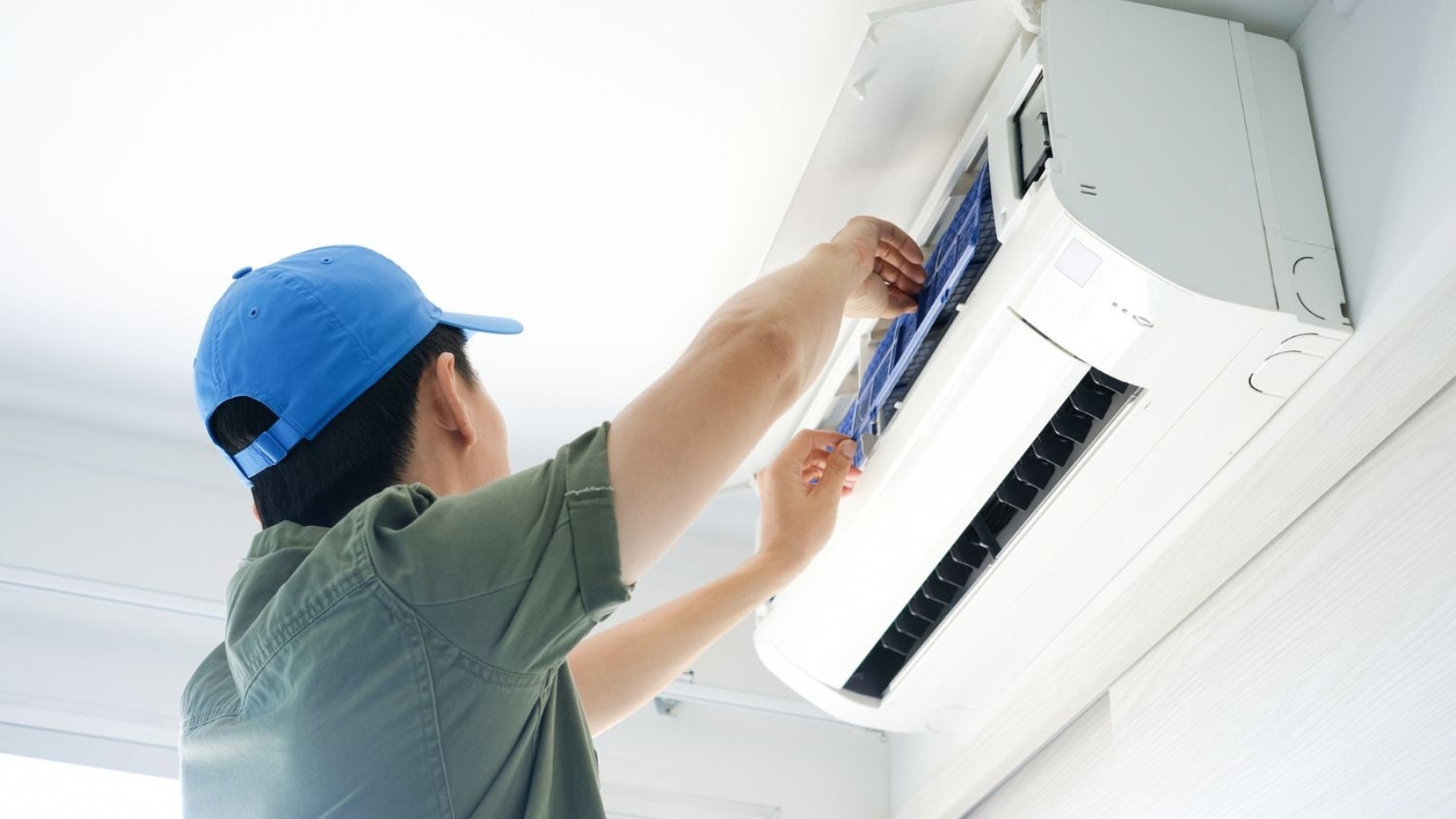
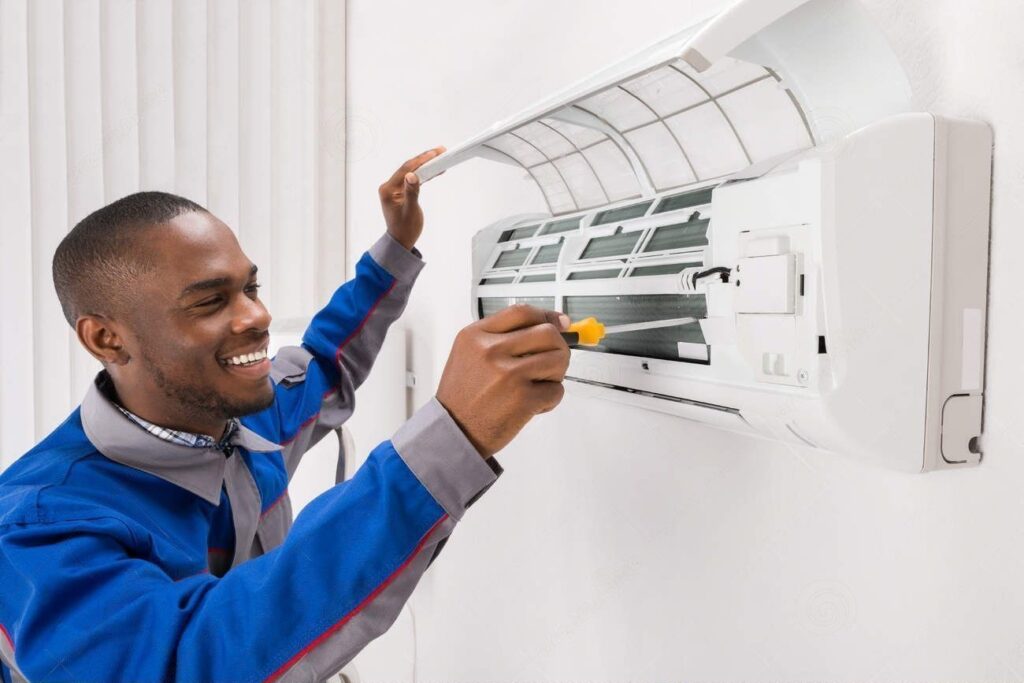
  • Regular Maintenance: Clean filters, coils, and ducts to maintain airflow and efficiency.
  • Proper Insulation: Seal gaps and insulate windows to prevent cooled air from escaping.
  • Use Fans: Ceiling or portable fans can circulate air, reducing the AC workload.
  • Smart Thermostat Settings: Program temperatures according to occupancy patterns.
  • Avoid Cooling Empty Rooms: Close doors and vents in unused spaces.

By combining an energy-efficient system with these habits, households and businesses can significantly reduce energy consumption and costs.

Places to buy energy efficient air conditioning

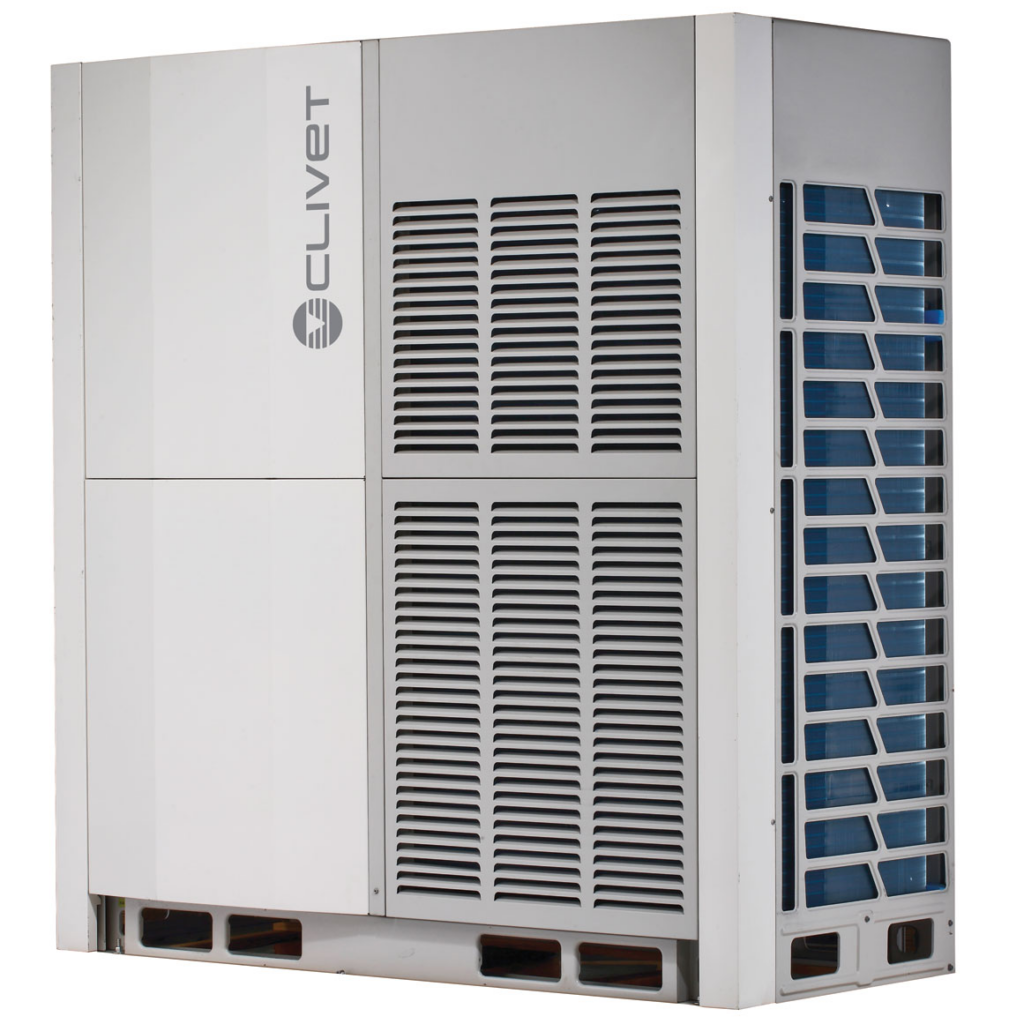
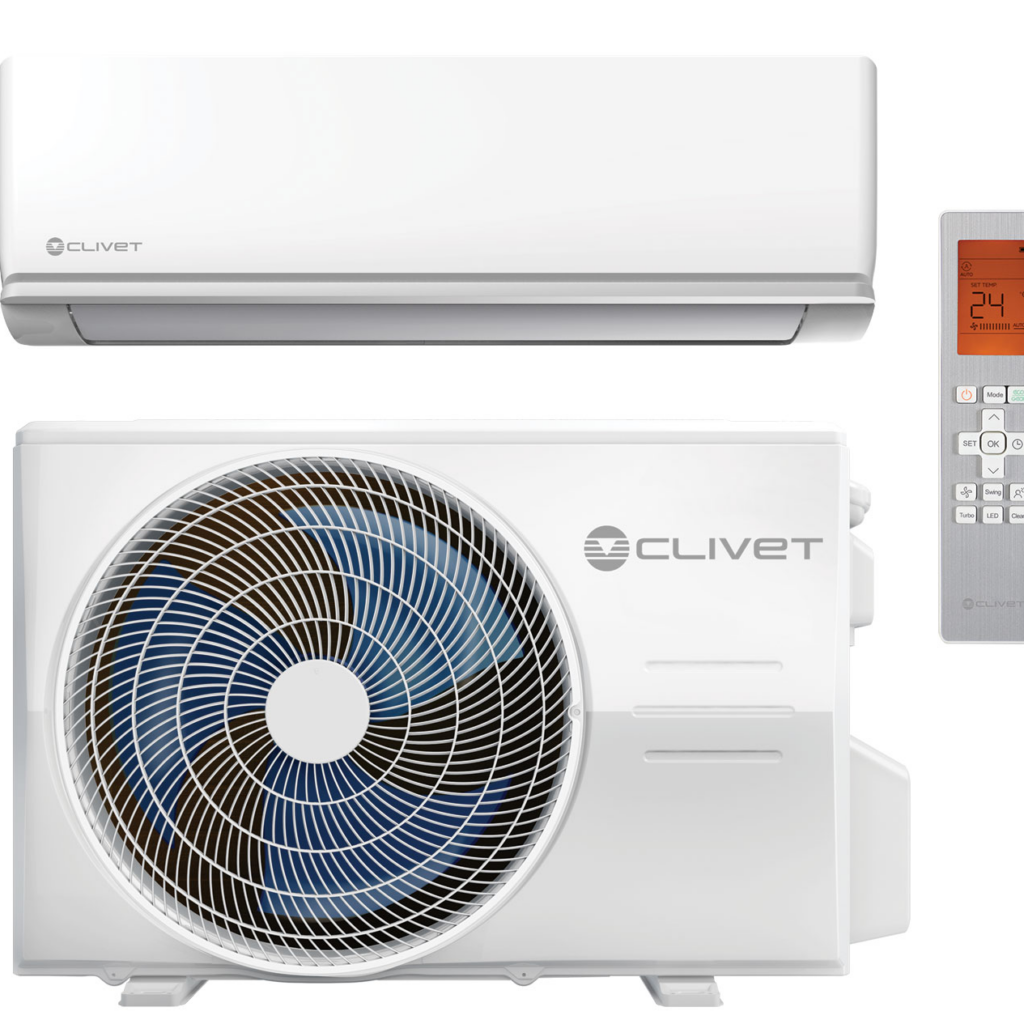
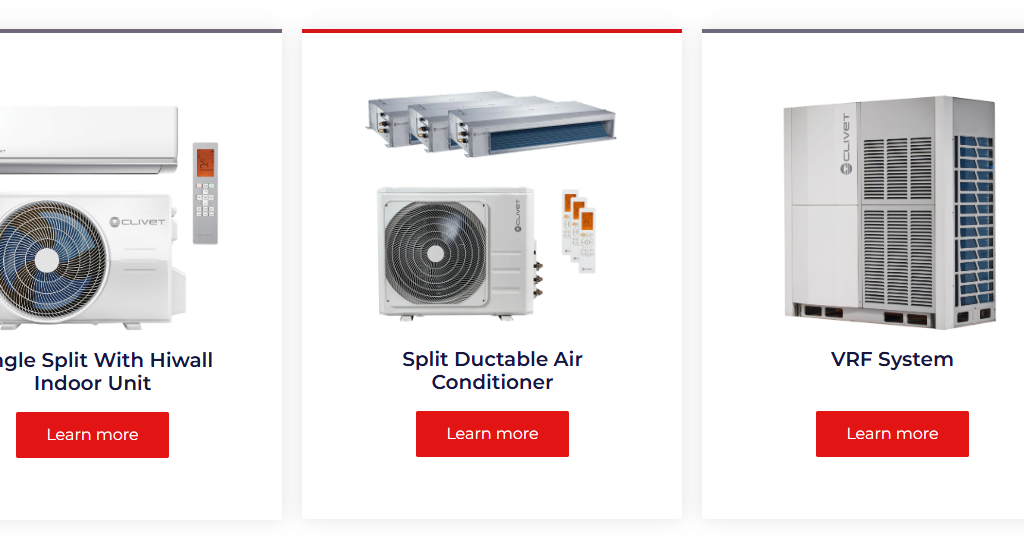
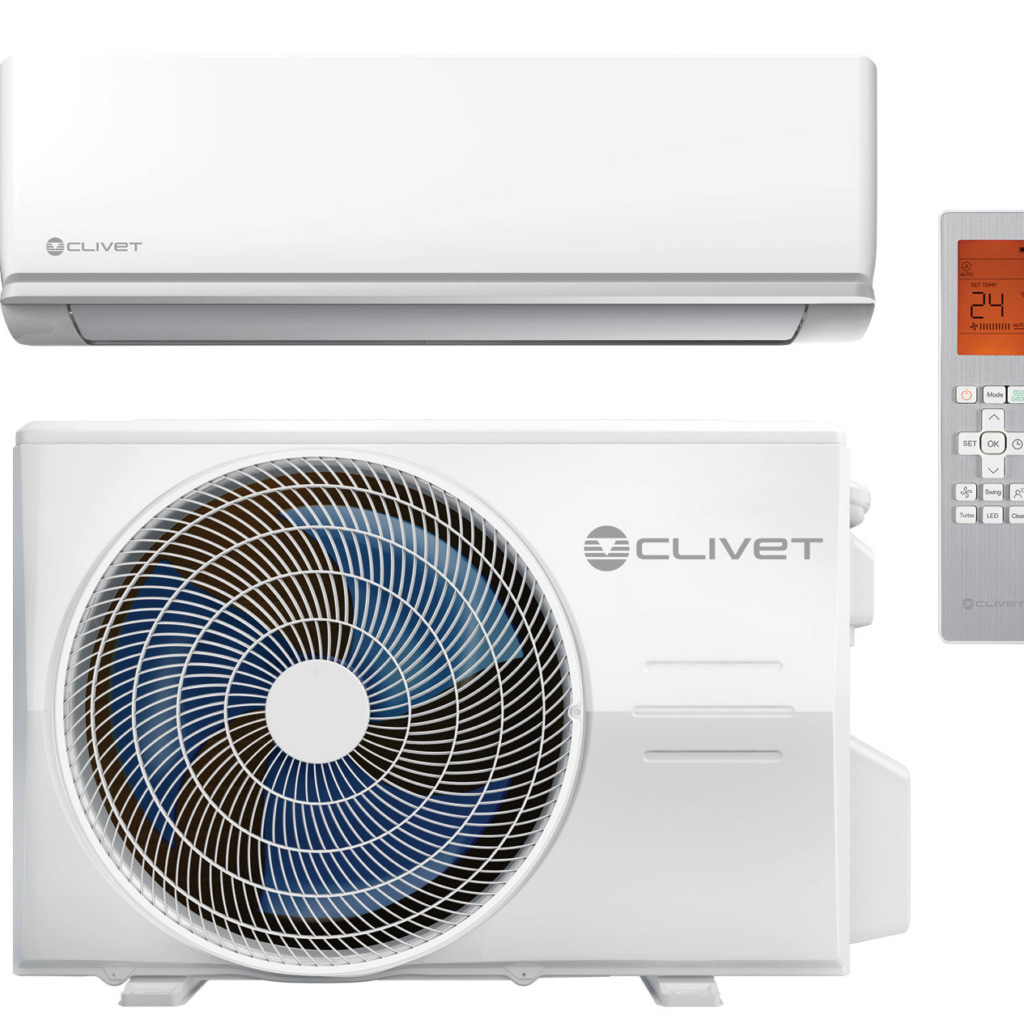
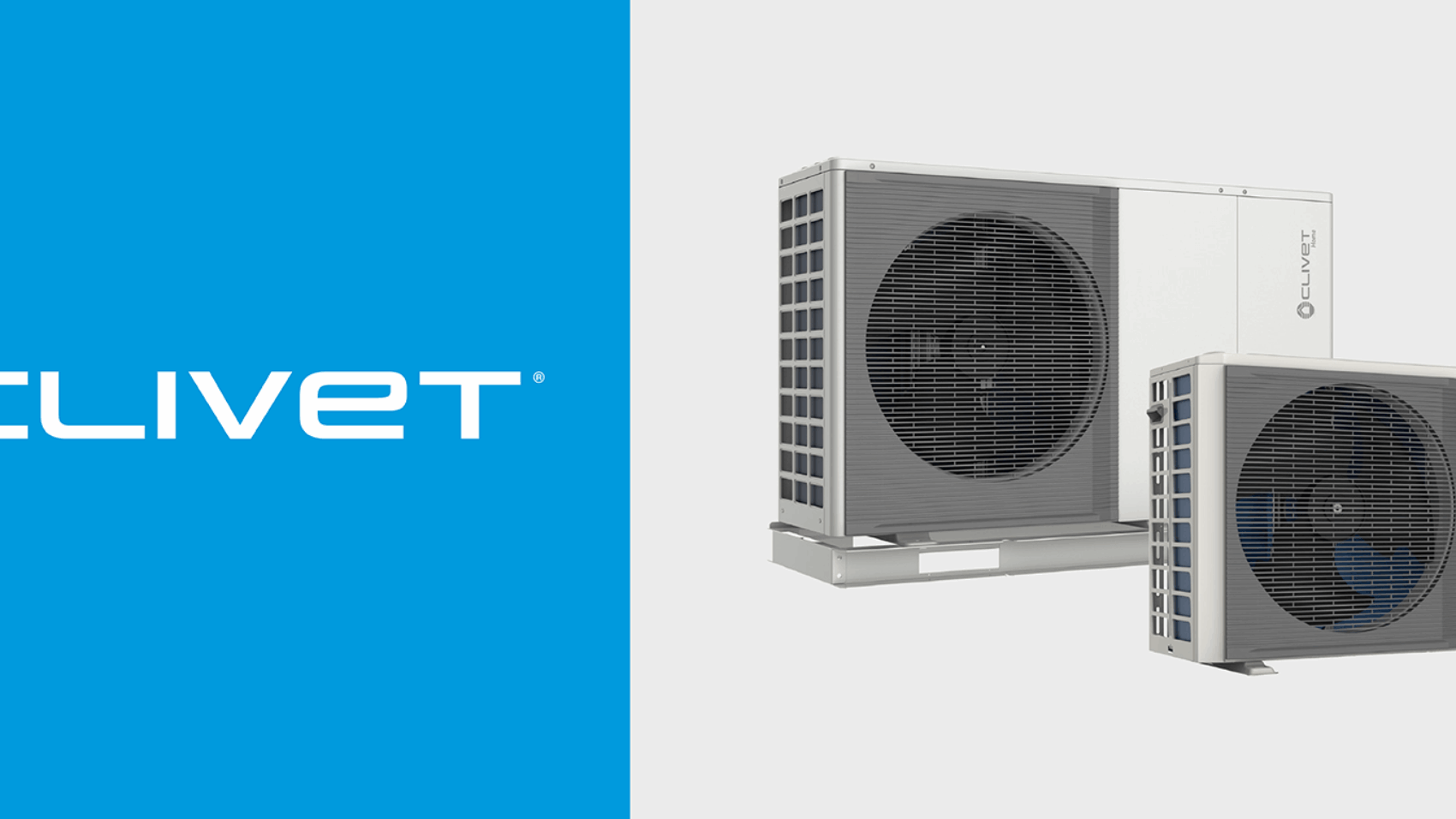
One of the best places to buy energy efficient air conditioning systems is Fleifel for Heating, Cooling & Sanitary Equipment, which offers a wide range of Clivet products designed for homes, offices, and large buildings. These include wall-mounted split units, ducted air conditioners, and advanced VRF systems, considered among the most energy efficient air conditioning systems available. These units are engineered to provide effective cooling while minimizing electricity consumption, using inverter technology and smart controls to optimize performance and reduce energy waste, making them an excellent choice for anyone looking to save energy and lower monthly bills.

Additionally, Fleifel provides comprehensive after-sales support, including warranties, maintenance, and spare parts, ensuring long-term efficiency and reliability. Whether you are seeking solutions for residential or commercial spaces, Clivet products through Fleifel represent a trusted option for energy efficient air conditioning, offering high performance, reliability, and environmentally responsible operation with reduced carbon footprint.

(FAQ)

Q1: Is an inverter AC really more efficient?

A: Yes. Inverter AC units adjust compressor speed based on cooling demand, reducing energy consumption compared to conventional units.

Q2: Can energy-efficient AC units work in very hot climates?

A: Absolutely. Modern energy-efficient systems are designed to maintain cooling performance even in extreme temperatures.

Q3: How much can I save on electricity bills with an energy-efficient AC?

A: Savings vary based on usage, home size, and unit efficiency. On average, households can save 20–30% annually.

Q4: Are there eco-friendly refrigerants?

A: Yes. Many modern units use refrigerants with low global warming potential, such as R-32, which are more environmentally friendly.

Conclusion

Switching to energy efficient air conditioning is a practical way to reduce electricity costs, minimize environmental impact, and enhance comfort. From inverter systems to ductless mini-splits and smart AC units, the most energy efficient air conditioning systems combine technology with sustainability, offering long-term value.

By choosing the right system, maintaining it regularly, and implementing energy-saving habits, homeowners and businesses can enjoy efficient cooling while supporting a greener future. For more information on energy-efficient solutions and rebates, consult trusted resources like Energy Star, ASHRAE, or your local energy authority.

Investing in efficiency today is a step toward a more comfortable, sustainable, and cost-effective tomorrow.

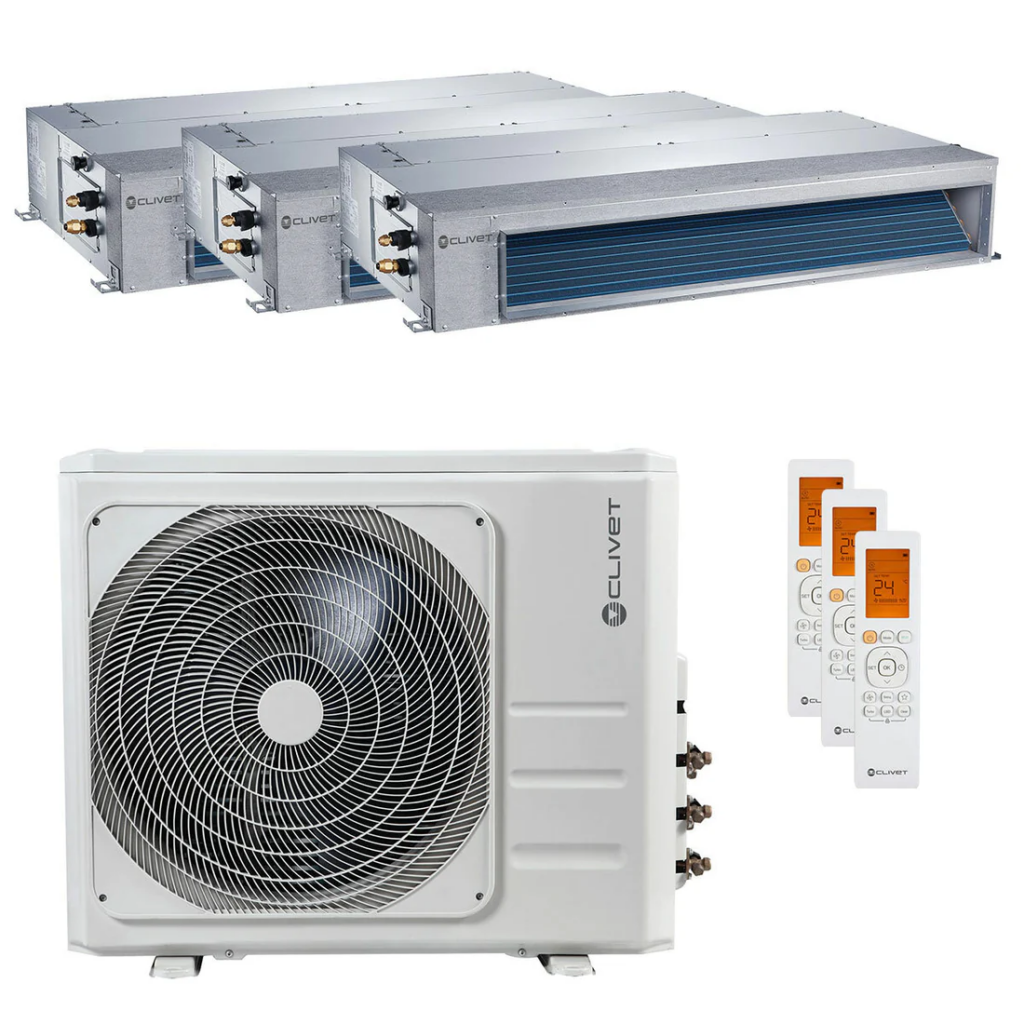
choose air conditioning system

How to Choose Air Conditioning System: Expert Guide

choose air conditioning system is more than just a home improvement decision—it’s an investment in comfort, energy efficiency, and long-term savings. With so many options available, from split ACs and central systems to portable units, selecting the perfect air conditioning system can feel overwhelming. The wrong choice could lead to high energy bills, uneven cooling, and frequent maintenance issues, while the right system ensures consistent comfort and optimal performance for years to come.

In this expert guide, we’ll walk you through everything you need to know about selecting the ideal air conditioning system for your home or office. From understanding different system types to evaluating energy efficiency, installation requirements, and maintenance considerations, this guide provides the knowledge and tips you need to make a confident, informed decision. Whether you’re upgrading your current system or installing a new one, this article equips you with the insights to choose a conditioning system that perfectly fits your space, lifestyle, and budget.

Why choose air conditioning system Matters

Selecting the ideal air conditioning system is not just about picking a device that blows cold air. The right system provides consistent comfort, energy efficiency, and durability. When the wrong type or size of system is installed, it can cause uneven cooling, excessive energy consumption, and costly repairs.

According to industry data, heating and cooling systems account for nearly 50% of a household’s energy consumption. Choosing an energy-efficient air conditioning system can significantly reduce electricity bills and your carbon footprint.

Moreover, modern air conditioning systems offer more than just temperature control. They can improve indoor air quality, maintain optimal humidity levels, and provide quiet, unobtrusive operation. For businesses, choosing the right conditioning system can enhance employee comfort and productivity, creating a better working environment.

Types of Air Conditioning Systems

Choosing the right air conditioning system requires understanding the different options available and how each system works. Every type of system has unique advantages, limitations, and ideal applications depending on the size of your space, budget, and cooling needs.

1. Split Air Conditioning Systems

A split air conditioning system consists of two main components: an indoor unit that blows cooled air into the room and an outdoor compressor that removes heat from the building. These systems are particularly popular in homes and small offices because they provide effective cooling for individual rooms. Split systems are quiet, energy-efficient, and visually unobtrusive, with the indoor unit mounted on a wall or ceiling. While they excel in cooling single rooms, multiple units may be required for larger spaces, which can increase overall installation costs. Split AC systems are ideal for apartments, bedrooms, or any space where independent control of cooling is desired.

2. Central Air Conditioning Systems

Central air conditioning systems are designed to cool entire homes or commercial buildings through a network of ducts that distribute conditioned air evenly throughout multiple rooms. These systems provide consistent temperature control and often include air filtration features, which improve indoor air quality. Central systems are highly effective for large spaces and can reduce humidity while providing quiet operation. However, they require a significant upfront investment, professional installation, and existing ductwork or space to install ducts. Central AC is best suited for large homes, offices, or commercial buildings where uniform cooling is essential.

3. Window Air Conditioning Units

Window air conditioning systems are compact units designed to fit into a window opening and cool a single room. They are a cost-effective solution for seasonal or temporary cooling needs. Window units are easy to install and operate, making them ideal for renters or those who need a simple cooling solution without professional help. However, they typically have limited cooling capacity, can be noisy, and may block natural light. Window AC units are best suited for small rooms, apartments, or spaces that do not require centralized cooling.

4. Portable Air Conditioning Units

Portable air conditioning systems are freestanding units that can be moved from room to room as needed. They operate by drawing warm air from the room, cooling it internally, and then venting the hot air outside through a hose connected to a window or wall. Portable systems offer flexibility and are suitable for temporary or seasonal use, as well as for renters who cannot install permanent units. While they are convenient and easy to relocate, portable ACs are generally less energy-efficient than fixed systems and provide limited cooling capacity. They are ideal for small spaces or short-term cooling needs.

5. Ductless Mini-Split Systems

Ductless mini-split air conditioning systems combine the advantages of split and central AC systems while allowing for independent control of multiple indoor units. Each indoor unit is connected to an outdoor compressor but can be operated separately, making these systems highly versatile and energy-efficient. Ductless mini-splits are ideal for homes without existing ductwork or for room additions where extending ducts is impractical. They operate quietly and offer precise cooling control for individual zones, though the initial investment per unit can be higher than other systems. Ductless mini-splits are perfect for homeowners seeking energy efficiency, flexibility, and modern design in their cooling solution.

Key Factors to Consider Before Choosing an AC

Selecting the right air conditioning system requires evaluating several key factors to ensure optimal performance, energy efficiency, and comfort.

1. Energy Efficiency

Efficiency ratings such as SEER (Seasonal Energy Efficiency Ratio) or EER (Energy Efficiency Ratio) measure an AC’s performance relative to energy consumption. Higher ratings indicate lower energy bills and reduced environmental impact.

Tip: Look for ENERGY STAR certified systems to guarantee energy-efficient performance.

2. Room Size & Cooling Capacity

AC capacity is measured in BTUs (British Thermal Units). A system that is too small will struggle to cool the space, while an oversized system may cycle on and off too frequently, wasting energy.

Tip: Consult HVAC professionals to calculate the correct air conditioning system capacity based on room size, insulation, and climate.

3. Budget & Long-Term Costs

While it may be tempting to select the cheapest system, consider the total cost of ownership. Energy-efficient systems may have higher upfront costs but save money in the long run through lower electricity bills.

Tip: Factor in installation, maintenance, and repair costs when budgeting.

4. Maintenance Requirements

Some systems require frequent filter replacements or annual professional servicing, while others are designed for low maintenance.

Tip: Choose a conditioning system that aligns with your ability to maintain it regularly for optimal performance.

5. Installation Requirements

Complex systems like central AC may require ductwork, while split or portable systems are easier to install. Proper installation by certified technicians is critical to ensure efficiency and longevity.

Expert Tips for Choosing & Maintaining Your AC

Proper use and maintenance of your air conditioning system can extend its lifespan and improve efficiency.

1. Hire Certified Professionals

Always rely on certified HVAC technicians for installation, repair, and maintenance. Incorrect installation can reduce efficiency and void warranties.

2. Perform Regular Maintenance

  • Clean or replace filters monthly
  • Schedule annual professional servicing
  • Check refrigerant levels and ensure ducts are sealed

3. Optimize Energy Efficiency

  • Set thermostats to 24–26°C (75–78°F) during summer
  • Use programmable thermostats to reduce energy waste
  • Insulate rooms to maintain consistent temperature

4. Consider Smart Technology

Modern air conditioning systems include Wi-Fi-enabled thermostats, energy monitoring, and zone controls. These features improve comfort and reduce operational costs.

The best places to buy an air conditioning system

When looking for a high-quality air conditioning system, Fleifel offers a wide range of Clivet products that combine efficiency, reliability, and advanced technology. Their systems are designed to meet the specific needs of different buildings, providing optimized energy efficiency, easy installation, and improved environmental performance. From wall-mounted split units to concealed ceiling systems and advanced VRF (Variable Refrigerant Flow) solutions, Clivet products simplify the process of choosing and installing a conditioning system while ensuring precise climate control and reduced operational costs.

Fleifel also prioritizes customer support and after-sales service, making it one of the best places to purchase an air conditioning system. They provide comprehensive warranties, readily available spare parts, and fast maintenance services to ensure your system operates at peak performance. Whether you are installing a system for a residential, commercial, or industrial space, Fleifel’s Clivet products offer a reliable and energy-efficient solution that enhances comfort while adding long-term value to your property.

FAQs 

Q1: Can I install an AC myself, or should I hire a professional?

A: While small window or portable units can be installed by homeowners, it is highly recommended to hire certified HVAC professionals for split, central, or ductless systems to ensure proper installation and efficiency.

Q2: Which AC is best for a small apartment?

A: Split AC systems are usually ideal for small apartments due to their quiet operation, energy efficiency, and compact indoor unit design.

Q3: How much energy does each type of AC consume?

A: Central AC systems consume more energy but can efficiently cool large spaces. Split AC and ductless systems are more energy-efficient for smaller areas. Check SEER/EER ratings for precise consumption details.

Q4: What is the average lifespan of an air conditioning system?

A: Properly maintained systems typically last:

  • Central AC: 15–20 years
  • Split AC: 12–15 years
  • Window AC: 8–10 years
  • Portable AC: 5–8 years

Q5: Is it better to buy a more expensive, energy-efficient model?

A: Yes, energy-efficient models may have a higher initial cost but offer long-term savings, lower environmental impact, and often come with longer warranties.

Conclusion

Choosing the right air conditioning system requires careful consideration of space, cooling needs, energy efficiency, and budget. By understanding the differences between split, central, window, portable, and ductless systems, homeowners and business owners can make an informed decision that balances comfort and cost.

Regular maintenance, professional installation, and attention to energy efficiency are critical for prolonging the lifespan and performance of any air conditioning system. Whether you are selecting a system for a small apartment or a large office, consulting HVAC experts ensures your cooling solution is reliable, efficient, and tailored to your specific needs.

For more guidance on selecting the perfect air conditioning system, consult certified HVAC professionals and refer to authoritative resources for expert advice on installation, maintenance, and energy-efficient operation.

types of air conditioning systems

Types of Air Conditioning Systems: A Complete Guide for Home & Business

Choosing the right air conditioning system for your home or workplace is not just a technical decision—it’s a crucial step toward ensuring comfort, energy efficiency, and long-term cost savings. With the wide variety of types of air conditioning systems available today, understanding the differences, benefits, and suitability of each system is essential whether you’re cooling a single room or an entire building.

In this comprehensive guide, we’ll explore the main types of air conditioning systems, from central air conditioning to portable and energy-efficient options. You’ll discover the advantages, disadvantages, and ideal use cases for each system, helping you make an informed decision that guarantees efficient, reliable, and effective cooling tailored to your specific needs.

What Is an Air Conditioning System?

An air conditioning system is a device or network of devices designed to control the temperature, humidity, and air quality in indoor spaces. Modern AC systems not only provide cooling but also enhance indoor air quality, reduce humidity, and improve overall comfort. Whether for a single room or a commercial building, understanding the mechanics and functions of AC systems is the first step toward choosing the most suitable option.

Air conditioning systems are an integral part of modern living and commercial operations. They can significantly impact energy consumption, utility costs, and even the longevity of equipment in workplaces. Therefore, selecting the right system requires careful consideration of space size, building type, and climate conditions.

How to Choose the Right Air Conditioning System

When evaluating different types of air conditioning systems, consider the following factors:

  1. Space Requirements: Larger homes or commercial buildings may benefit from central air conditioning, while smaller apartments may only require a window or portable unit.
  2. Energy Efficiency: Energy-efficient systems, such as ductless mini-splits or hybrid systems, reduce electricity bills and environmental impact.
  3. Installation Costs: Some systems, like central AC, require significant upfront costs, while portable units are cheaper to install.
  4. Maintenance Needs: Regular servicing extends the lifespan of the system. Certain AC types, such as split systems, require more maintenance than simpler options like window units.
  5. Noise Levels: If a quiet environment is important, consider ductless mini-splits or high-efficiency central AC systems.
  6. Climate Compatibility: In very hot climates, high-capacity or multi-zone systems might be necessary for optimal performance.

Making an informed decision ensures comfort, efficiency, and longevity of your system, whether it’s for residential or commercial purposes.

Types of Air Conditioning Systems

Air conditioning systems can be categorized based on installation type, efficiency, and functionality. Below are the most common types of air conditioning systems and their characteristics:

1. Central Air Conditioning Systems

Central air conditioning systems are widely used in homes and large commercial spaces. They consist of a central unit that cools air and distributes it through a network of ducts.

How it Works:
A central air conditioner extracts heat from indoor air and transfers it outside, then circulates cooled air through ducts and vents in each room.

Best For:

  • Large homes
  • Offices and commercial buildings

Pros:

  • Even cooling throughout the space
  • Integrated with heating systems for year-round comfort
  • High energy efficiency when properly maintained

Cons:

  • High initial installation cost
  • Ductwork requires periodic cleaning
  • Installation can be complex and time-consuming

Central AC systems are ideal for those looking for long-term comfort and efficiency in larger spaces.

2. Split Air Conditioning Systems

Split air conditioning systems are popular in residential and small commercial settings. They consist of an outdoor compressor and one or more indoor air handlers.

How it Works:
The outdoor unit compresses and circulates refrigerant, while the indoor unit distributes cooled air directly into the room. Split systems can be single-split (one indoor unit) or multi-split (multiple indoor units for several rooms).

Best For:

  • Apartments
  • Single-family homes
  • Small offices

Pros:

  • Flexible installation options
  • Quiet operation
  • More energy-efficient than window units

Cons:

  • Higher cost than window or portable ACs
  • Requires professional installation
  • Indoor unit visibility may affect interior aesthetics

Split systems provide room-specific cooling without the need for ductwork, making them ideal for energy-conscious users.

3. Ductless Mini-Split Systems

Ductless mini-splits are similar to split systems but do not require ducts. They are excellent for homes without existing ductwork or for room-by-room cooling.

How it Works:
The outdoor unit connects directly to one or more indoor units via a refrigerant line. Each indoor unit can operate independently, allowing personalized temperature control.

Best For:

  • Older homes without ducts
  • Room additions or renovations
  • Energy-efficient cooling

Pros:

  • Individual room control
  • High energy efficiency
  • Easy installation compared to central AC

Cons:

  • Higher upfront cost than window units
  • Multiple units may affect aesthetics

Ductless mini-splits are an excellent choice for targeted, energy-efficient cooling with flexibility in design and operation.

4. Window Air Conditioners

Window air conditioners are compact units installed in a window or wall opening. They are a cost-effective solution for cooling individual rooms.

How it Works:
A single unit houses the compressor, condenser, and evaporator. It draws warm air from the room, cools it, and expels heat outside.

Best For:

  • Single rooms or small apartments
  • Temporary cooling needs

Pros:

  • Affordable and easy to install
  • Ideal for renters or small spaces
  • Requires minimal maintenance

Cons:

  • Only cools one room
  • Can be noisy
  • Blocks natural light from the window

Window AC units are practical for those needing quick and affordable room cooling.

5. Portable Air Conditioners

Portable air conditioners offer mobility and flexibility. They are ideal for temporary cooling or spaces where window installation is not feasible.

How it Works:
These standalone units use a hose to vent hot air outside. Some models also include dehumidifying functions.

Best For:

  • Temporary spaces
  • Renters without window options
  • Small rooms or offices

Pros:

  • Portable and easy to move
  • No permanent installation required
  • Includes multiple functionalities in some models

Cons:

  • Less energy-efficient than other systems
  • Requires venting through a window or wall
  • Limited cooling capacity

Portable ACs are suitable for temporary cooling solutions and offer the convenience of mobility.

6. Packaged Air Conditioning Systems

Packaged AC systems are commonly used in commercial buildings. The entire cooling mechanism is contained in a single outdoor unit.

How it Works:
All components—compressor, condenser, and evaporator—are housed in one package. Air is then circulated through ducts into the building.

Best For:

  • Retail spaces
  • Offices
  • Small commercial facilities

Pros:

  • Compact design
  • Easy maintenance
  • Centralized cooling solution

Cons:

  • Requires outdoor space
  • Can be noisy
  • Installation cost is higher than smaller units

Packaged systems are ideal for commercial spaces where centralized cooling is needed without extensive indoor equipment.

7. Hybrid / Energy-Efficient Systems

Hybrid or energy-efficient AC systems, including heat pumps, are designed to reduce energy consumption while maintaining comfort.

How it Works:
Heat pumps can switch between heating and cooling, using electricity more efficiently than traditional systems. Some hybrid systems combine gas and electric power for optimal efficiency.

Best For:

  • Energy-conscious homeowners
  • Regions with mild winters
  • Long-term cost savings

Pros:

  • Highly energy-efficient
  • Reduces utility bills
  • Environmentally friendly

Cons:

  • Higher upfront cost
  • Requires professional installation and maintenance

Hybrid systems are excellent for users looking to combine environmental responsibility with energy savings.

Best place to buy of conditioning systems

When it comes to investing in high‑quality air conditioning systems, choosing a reputable supplier is just as important as selecting the right type of AC unit. One of the standout destinations for premium solutions is Fleifel & Co., a well‑established provider of HVAC, heating, and sanitary equipment with decades of industry experience. Fleifel partners with Clivet, a leading European manufacturer known for designing and producing advanced air conditioning systems that perform reliably in residential, commercial, and industrial settings.

Clivet products available through Fleifel & Co. encompass a wide range of innovative solutions — from single split units and ducted systems to high‑efficiency VRF (Variable Refrigerant Flow) systems that offer precise control and energy savings for larger buildings. Each system is engineered for optimal performance, helping improve indoor comfort while reducing energy consumption.

One of the key advantages of purchasing from Fleifel & Co. is their comprehensive after‑sales support, which includes warranty coverage against manufacturing defects, fast maintenance response times, and year‑round availability of spare parts to minimize downtime. This level of service ensures customers can enjoy long‑term reliability from their air conditioning investment.

Whether you’re upgrading your home cooling system or planning large‑scale climate control for a business space, Fleifel & Co.’s range of Clivet air conditioning products offers a trusted place to buy systems that balance performance, efficiency, and durability — backed by professional support and reliable service.

Common Questions 

1. Which AC system is best for a small apartment?

Window AC units or ductless mini-splits are usually ideal for small spaces.

2. How much does a central AC system cost?

Installation costs vary widely, ranging from $3,000 to $10,000 depending on size and features.

3. What is the most energy-efficient AC system?

Ductless mini-splits and hybrid systems are among the most energy-efficient options available.

4. How often should AC systems be serviced?

Most AC systems should be serviced annually to ensure optimal performance and longevity.

5. Can I install a split system myself?

Professional installation is highly recommended due to complexity and refrigerant handling.

Conclusion

Understanding the different types of air conditioning systems is essential for making an informed decision that ensures comfort, efficiency, and long-term value. From central air systems designed for large homes and commercial spaces, to portable and ductless options ideal for smaller areas, each system comes with unique advantages and considerations. By evaluating your specific needs whether it’s energy efficiency, installation costs, or maintenance requirements you can choose a solution that perfectly matches your lifestyle or business environment.

For those seeking high-quality, reliable air conditioning systems, partnering with a trusted supplier like Fleifel & Co. for Clivet products provides not only superior performance but also peace of mind through professional support, warranties, and readily available maintenance services. Investing in the right air conditioning system today guarantees a comfortable, cool, and energy-efficient environment for years to come.

Commercial AC

Commercial AC: The Ultimate Guide to Choosing, Installing, Repairing, and Maintaining Your System

In today’s modern commercial environments, a reliable and efficient air conditioning system is not just a comfort feature — it’s a core business requirement. Whether you’re managing offices, warehouses, schools, retail stores, or industrial plants, the performance of your commercial AC unit directly impacts productivity, customer experience, indoor air quality, and operational costs. This comprehensive guide will walk you through everything you need to know about commercial AC — from types and benefits, to installation, maintenance, repair services, and cost considerations.

Throughout this article, we’ll also reference real‑world service areas and search terms like commercial AC repair Canton, raleigh nc commercial AC repair service, and commercial AC installation Atlanta to help you understand where these services are commonly needed and how professionals approach them. Let’s dive in.

What Is a Commercial AC System?

A commercial AC system is a robust air‑conditioning solution designed to cool large spaces and support high occupancy levels. These systems are engineered to handle the unique demands of commercial properties from office buildings and hospitals to restaurants and shopping centers.

Unlike residential units, which typically cool single rooms or small homes, commercial units must:

  • Deliver consistent cooling across large areas.
  • Operate efficiently under heavy loads.
  • Integrate with building automation systems.
  • Provide advanced air filtration and ventilation.

For example, businesses searching for commercial AC unit installation often need equipment capable of managing complex airflow requirements and long operating hours.

Types of Commercial AC Units

Understanding the different types of commercial AC solutions is crucial when planning installation or upgrades. The right choice depends on your building size, budget, energy goals, and existing infrastructure.

Rooftop Commercial AC Units

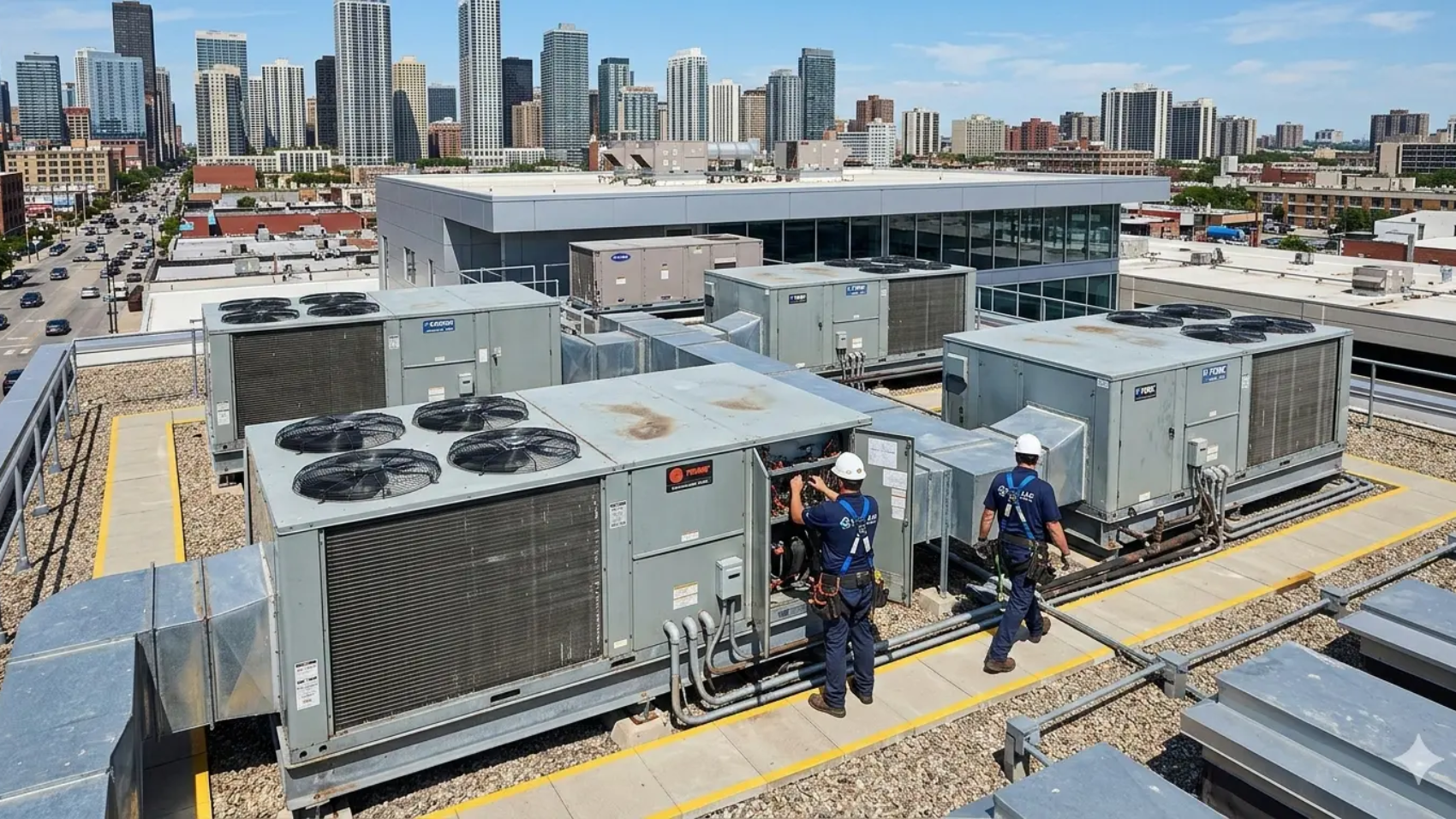
Rooftop units are popular in large commercial buildings because they centralize cooling in a single outdoor package. These units are generally easier to maintain and can handle significant cooling loads.

Split System Commercial AC

Split systems have an outdoor compressor and an indoor air handler. They’re ideal for spaces where ductwork isn’t feasible or when zoning is necessary.

Chillers and Large‑Scale HVAC

For industrial environments or campuses, chillers and centralized HVAC systems are common. These systems often require professional planning and installation, such as commercial AC installation Georgetown or local commercial AC installation services.

Packaged Heating and Cooling Units

Some commercial settings require both heating and cooling capabilities. In such cases, packaged heat units or commercial AC heat units deliver dual functionality in one system.

Why Commercial AC Matters for Businesses

Efficient commercial AC systems bring benefits far beyond temperature control:

Improved Comfort and Productivity

Employees and customers perform better when indoor environments are comfortable. Poor airflow or inconsistent cooling can reduce worker productivity — something no business wants.

Energy Efficiency and Cost Savings

Modern commercial AC systems include energy‑saving technologies that lower operational costs. Regular maintenance, like commercial AC maintenance Fort Wayne IN or commercial AC maintenance Auburn IN, ensures systems run at peak efficiency.

Enhanced Air Quality

Commercial systems with advanced filtration improve air quality by reducing dust, allergens, and pollutants especially important in healthcare or retail settings.

Equipment Longevity

Proper installation and routine servicing significantly extend the life of your commercial AC unit. A neglected system often fails prematurely, increasing total lifecycle costs.

How to Choose the Right Commercial AC System

Selecting the correct commercial AC system is a strategic decision. Here’s a step‑by‑step process to guide you:

Determine Cooling Load

Professional technicians calculate cooling load based on building size, insulation quality, windows, occupancy, equipment heat output, and local climate conditions.

Assess System Type

Decide between rooftop units, split systems, chillers, or packaged solutions based on your specific needs.

Consider Energy Efficiency

Look for systems with high SEER (Seasonal Energy Efficiency Ratio) and smart control options to reduce long‑term energy costs.

Evaluate Budget and ROI

Budgeting for commercial AC replacement or commercial AC installation Raleigh NC should include equipment cost, installation labor, utility savings, and future maintenance.

Check Local Support

Choosing a regionally experienced installer, such as raleigh nc commercial AC repair service or commercial AC replacement Travis County pros, ensures faster response times and local expertise.

Commercial AC Installation: What to Expect

Professional installation is critical for optimal system performance. Whether it’s a commercial AC installation Atlanta, commercial AC installation Georgetown, or commercial AC unit installation project, the process generally includes:

Site Assessment

Technicians review your space, existing ductwork, and electrical systems to recommend the best setup.

System Selection

Based on load calculations, experts propose specific models suited to your unique requirements.

Installation Planning

This step includes scheduling, acquiring permits, and coordinating any structural modifications.

System Installation

Qualified technicians install the new commercial AC unit, ensuring proper placement, secure mounting, and correct connections.

Testing and Optimization

After installation, professionals test system performance, calibrate controls, and verify airflow to guarantee efficiency and comfort.

For many businesses, local commercial AC installation services are preferred because they understand regional climate challenges and building codes.

Commercial AC Maintenance: Keeping Your System Healthy

Routine maintenance is vital for extending the life of your commercial AC system and ensuring efficiency. Maintenance tasks typically include:

Filter Replacement

Dirty filters restrict airflow and strain the system, reducing efficiency and increasing costs.

Coil Cleaning

Evaporator and condenser coils collect dirt over time, which diminishes heat transfer.

Checking Refrigerant Levels

Low refrigerant affects cooling performance and can damage components.

Inspecting Electrical Components

Loose or worn electrical connections are common causes of breakdowns.

Testing Thermostats and Sensors

Ensuring accurate temperature control and system responsiveness.

If you’re in the Midwest, for example, commercial AC maintenance STL is essential before summer peaks. Likewise, companies in the South often schedule commercial AC maintenance Fort Wayne IN or Auburn IN to stay ahead of heat waves.

Signs Your Commercial AC Needs Repair

Even with routine maintenance, commercial systems can develop issues. Watch for these common signs:

  • Uneven cooling across zones
  • Higher than normal energy bills
  • Strange noises or vibrations
  • Frequent cycling
  • Poor air quality

When these symptoms arise, it’s crucial to contact experienced repair professionals. Searches like commercial AC repair Round Rock, commercial AC repair Canton, or raleigh nc commercial AC repair service reflect typical customer intent when systems malfunction.

Commercial AC Repair: What It Involves

Commercial AC repair is more complex than residential systems due to capacity, controls, and integrated building systems. A typical repair process includes:

Diagnosis

The technician reviews symptoms, checks system history, and performs diagnostic tests.

Part Inspection

Motors, compressors, coils, belts, and electrical components are inspected for wear and failure.

Solution Recommendation

The technician explains findings and offers options — repair, retrofit, or replacement.

Execution

Qualified professionals perform repairs, verify performance, and ensure safety compliance.

In many urban and suburban areas, reputable providers offer prompt service — for example, commercial AC repair Round Rock technicians are known for fast response, while commercial AC repair Canton teams specialize in both preventive and emergency services.

When to Replace Your Commercial AC

Knowing when to replace an aging system is critical. Consider replacement if:

  • Repairs are frequent and costly
  • Energy bills keep rising
  • Equipment is older than 10–15 years
  • Technology improvements offer substantial savings

In regions like Travis County, many businesses request commercial AC replacement Travis County services as part of modernization efforts. Replacing outdated units can lead to significant long‑term cost savings.

Choosing the Right Commercial AC Service Provider

Choosing a reliable commercial AC service provider is a critical step to ensure long-term system performance and efficiency. Businesses seeking comprehensive cooling and heating solutions should consider the provider’s technical expertise, technician training in handling commercial systems, and responsiveness to maintenance or emergency repairs. Systems like Clivet, available through Fleifel Co, are an excellent choice for businesses due to their high efficiency, advanced design, and adaptability to a variety of commercial spaces, whether offices, retail stores, or industrial facilities.

Moreover, the ideal service provider goes beyond installation, offering routine maintenance, timely parts replacement, and continuous technical support to keep the system running at peak efficiency. Having a local distributor or fast-response support ensures rapid handling of urgent issues, such as commercial AC repair Canton or raleigh nc commercial AC repair service, maintaining comfort for employees and customers while reducing operational costs. Clivet systems, backed by Fleifel Co’s professional expertise, provide the perfect combination of reliable technology and trusted service to meet all commercial air conditioning needs.

FAQ

Q: How often should a commercial AC system be serviced?

A: Most experts recommend at least twice a year, especially before peak cooling seasons.

Q: Can commercial AC systems be repaired in winter?

A: Yes — diagnosing issues early in low‑demand seasons can prevent summer breakdowns.

Q: How long does a commercial AC installation take?

A: Installation timelines vary by system complexity but typically range from a few days to several weeks for large facilities.

Q: Is it cheaper to repair or replace a commercial AC system?

A: If repair costs approach 50% of replacement value, a new system often makes financial sense.

Q: What qualifications should commercial AC technicians have?

A: Look for HVAC certifications, licensing, insurance, and proven experience with large commercial systems.

Conclusion: 

Ultimately, choosing the right commercial AC system and a trusted service partner is a smart investment in the future of your business. From professional installation and routine maintenance to rapid response for emergency repairs, every step ensures the comfort of your employees and customers while minimizing long-term operational costs. A well-chosen system not only cools and heats efficiently but also enhances productivity and overall satisfaction within your commercial space.

Advanced solutions like Clivet, supported by experienced distributors such as Fleifel Co, provide the perfect combination of reliable technology, high efficiency, and continuous professional support. Investing in a quality commercial AC system is not just about comfort  it’s a strategic decision that ensures a well-regulated work environment, long-term cost savings, and a more stable, successful future for your business.

residential AC

The Ultimate Guide to Residential AC: Installation, Maintenance, and Expert Advice

Residential air conditioning systems (residential AC) are essential for keeping homes comfortable year-round, whether during hot summers or humid winters. Choosing the right system goes beyond simply providing cool air—it also improves indoor air quality, enhances energy efficiency, and reduces utility costs. Regular maintenance and professional services, such as residential AC maintenance Sarasota or residential AC repair Houston, play a crucial role in keeping your system running efficiently and extending its lifespan.

With the wide variety of options available in the market, it’s important to understand the different types of residential AC systems, their features, and how to select the best one for your home. This comprehensive guide covers everything from residential AC installation and expert maintenance tips to reliable repair services like residential AC repair near, offering practical advice based on expert experience and trusted sources to ensure optimal performance and long-term satisfaction.

What is a Residential AC?

A residential AC refers to an air conditioning system designed specifically for homes. Unlike commercial or industrial units, residential AC systems are built for smaller spaces and are optimized for comfort, efficiency, and quiet operation.

Types of Residential AC Systems

  1. Split AC Systems: Popular in modern homes, these systems separate the indoor unit from the outdoor condenser. Ideal for energy efficiency and quiet operation.
  1. Central AC Systems: Provide cooling throughout the entire home via ductwork. They are ideal for larger houses and those seeking uniform cooling.
  2. Window AC Units: Compact, self-contained units suitable for single rooms or small apartments.
  3. Portable AC Units: Flexible solutions for renters or temporary cooling needs, although generally less efficient than split or central systems.

Each type has its pros and cons, depending on your home size, budget, and cooling preferences. For example, residential AC installation bucks county pa often involves central AC systems for new homes due to ductwork planning and long-term efficiency.

Benefits of Installing a Residential AC

Installing a high-quality residential AC system offers numerous advantages:

1. Home Comfort

Nothing beats walking into a cool, comfortable home after a hot day. Properly installed residential AC systems ensure consistent temperature control in every room.

2. Energy Efficiency

Modern units are designed to reduce energy consumption without compromising cooling power. Choosing energy-efficient models can save hundreds of dollars annually on electricity bills.

3. Healthier Indoor Air Quality

Many residential AC systems include air filters that remove dust, pollen, and allergens. This is especially beneficial for homes with children, pets, or residents with allergies.

4. Increased Property Value

A modern AC system adds value to your home. Buyers often prioritize homes with reliable cooling systems, making residential AC sales a long-term investment.

5. Convenience and Reliability

With professional residential AC services stafford va or other locations, homeowners can enjoy peace of mind knowing their systems are maintained by certified technicians.

How to Choose the Right Residential AC

Selecting the ideal residential AC requires careful consideration of multiple factors:

1. Home Size

The cooling capacity of an AC system, measured in BTUs (British Thermal Units), must match your home size. Oversized units waste energy, while undersized units struggle to cool effectively.

2. Climate

Hot, humid climates benefit from systems with dehumidifying capabilities, while milder climates can prioritize energy efficiency. For example, homeowners in Tucson often search for residential AC Tucson AZ or residential AC Tucson Arizona for systems that handle desert heat efficiently.

3. Budget

Costs vary depending on the type of unit and installation complexity. Budget considerations include initial purchase, professional residential AC installation, and long-term maintenance.

4. Energy Efficiency

Look for Energy Star ratings, SEER (Seasonal Energy Efficiency Ratio), and EER (Energy Efficiency Ratio) when choosing your unit. High-efficiency systems reduce electricity bills and environmental impact.

5. Brand Reputation and Reviews

Check residential AC reviews from trusted sources to understand performance, reliability, and customer satisfaction.

Places to install residential air conditioners

Choosing the right location for a residential AC installation is crucial for optimal performance, energy efficiency, and indoor comfort. Wall-mounted units, ceiling-concealed systems, and VRF (Variable Refrigerant Flow) systems are popular solutions for different home layouts. Companies like Fleifel Co. offer specialized Clivet products designed to fit a variety of residential applications, making it easier to select the most suitable system based on room size, airflow requirements, and aesthetic considerations. Proper placement ensures even cooling, reduces energy consumption, and prolongs the lifespan of the unit.

Fleifel Co.’s range of Clivet air conditioning solutions simplifies installation in various parts of the home, whether it’s a living room, bedroom, or open-plan space. Ceiling-concealed units are ideal for maintaining a clean interior look, while wall-mounted units offer flexibility in smaller rooms. VRF systems provide advanced zoning control, allowing multiple areas to be cooled independently, which is perfect for larger residences. By partnering with Fleifel Co., homeowners can access expert guidance and high-quality products that enhance comfort, reduce operational costs, and meet modern energy standards.

How to maintain home air conditioners

How to maintain home air conditioners

Proper maintenance is key to keeping your residential AC system running efficiently, extending its lifespan, and ensuring consistent cooling throughout your home. Regular care not only prevents costly repairs but also improves indoor air quality and reduces energy bills. Homeowners can perform simple routine tasks themselves, while professional services like residential AC maintenance Sarasota provide comprehensive seasonal checkups.

Essential Maintenance Tips

  1. Clean or Replace Air Filters: Dirty filters restrict airflow, making the system work harder. Replace or clean filters every 1–3 months depending on usage.
  2. Check the Coils: Both the evaporator and condenser coils accumulate dust and debris over time, reducing cooling efficiency. Clean them regularly or have a technician do it during a service visit.
  3. Inspect Refrigerant Levels: Low refrigerant affects cooling performance. Only certified technicians should handle refrigerant checks to ensure safety and compliance.
  4. Examine the Ductwork: Leaks or blockages in ducts can cause uneven cooling and higher energy bills. Regular inspection ensures the system operates efficiently.
  5. Test the Thermostat: Ensure your thermostat accurately controls temperature and is programmed for optimal energy use. Smart thermostats can further improve efficiency.
  6. Schedule Professional Servicing: Services like residential AC repair Houston, residential AC services Stafford VA, or residential AC repairs Benton AR help catch potential issues early, ensuring your system operates smoothly year-round.

By following these maintenance steps, homeowners can enjoy a comfortable indoor environment, lower energy costs, and reliable operation. Regular upkeep is especially important for systems in regions with extreme climates, such as residential AC Tucson AZ or residential AC Tucson Arizona, where continuous use places extra demand on the system.

Energy Efficiency and Cost-Saving Tips

Maximizing the efficiency of your residential AC system saves money and reduces environmental impact.

  1. Upgrade to a High-SEER Unit – More efficient units consume less energy.
  2. Install Smart Thermostats – Programmable settings reduce energy waste.
  3. Seal Windows and Doors – Prevents cooled air from escaping.
  4. Schedule Seasonal Maintenance – Keeps systems running at peak efficiency.
  5. Consider Zoning Systems – Cool only occupied rooms for energy savings.

(FAQs)

1. How long does a residential AC last?

With proper residential AC maintenance Sarasota or other services, systems can last 12–20 years, depending on usage and climate.

2. How much does residential AC installation cost?

Costs vary by system type, home size, and location. Professional installation like residential AC installation bucks county pa typically ensures proper warranty coverage and efficiency.

3. Can I install AC myself?

DIY installation is possible for small units, but professional installation is recommended for split or central systems to avoid safety hazards and ensure optimal performance.

4. How do I find reliable repair services near me?

Search terms like residential AC repair near or residential AC services stafford va help identify certified, local technicians.

5. Which AC is best for Tucson homes?

Desert climates require units with high cooling capacity and durability. Look for residential AC Tucson AZ or residential AC Tucson Arizona for locally recommended systems.

Conclusion

In conclusion, choosing, installing, and maintaining a residential AC system is essential for keeping your home comfortable all year round. By investing in a high-quality system, performing regular maintenance, and relying on professional services like residential AC maintenance Sarasota or residential AC repair Houston, homeowners can enjoy reliable performance, energy efficiency, and long-lasting comfort.

Whether you’re planning a residential AC installation Bucks County PA or need prompt repairs with residential AC repair near your location, professional guidance and experience make all the difference in optimizing indoor air quality, reducing energy costs, and ensuring peace of mind. A carefully selected and well-maintained AC system doesn’t just cool your home—it provides comfort, safety, and confidence for years to come.

Benefits of HVAC Air Conditioning Systems

Ultimate Guide to HVAC Air Conditioning Systems: Installation, Maintenance, and Efficiency Tips

An HVAC air conditioning system is a critical component of modern homes and commercial spaces, ensuring comfort and air quality throughout the year. Whether you are a homeowner looking to upgrade your central air conditioning system for home or a facility manager responsible for a cleanroom air conditioning system, understanding how HVAC systems work and how to maintain them is essential.

With the rise of energy-efficient technologies such as hybrid solar air conditioning systems, and the increasing demand for specialized setups like zoned air conditioning systems or vav air conditioning systems, investing in the right HVAC system can make a significant difference in energy costs and indoor air quality. This guide aims to provide comprehensive insights into HVAC air conditioning systems, their components, installation, maintenance, and troubleshooting, backed by expert knowledge and industry standards.

What is an HVAC Air Conditioning System?

An HVAC air conditioning system combines heating, ventilation, and cooling to regulate indoor environments efficiently. While air conditioning is the primary focus for comfort during hot seasons, the system also plays a crucial role in humidity control, air filtration, and energy management.

In a home or office, the air conditioning system working principle is similar across types: it removes heat from indoor air and transfers it outdoors, using a network of ducts or pipes to distribute cooled air. Specialized systems, such as the automotive air conditioning system and aircraft air conditioning system, follow similar thermodynamic principles but are designed for mobile and compact environments.

Components of an Air Conditioning System

Understanding the components of an air conditioning system is key to efficient operation. Common elements include:

  1. Compressor – Pumps refrigerant through the system.
  2. Condenser – Releases heat absorbed from indoors.
  3. Evaporator Coil – Absorbs heat inside the building.
  4. Expansion Valve – Controls refrigerant flow for cooling efficiency.
  5. Ductwork & Vents – Distributes conditioned air.
  6. Thermostat – Regulates temperature.
  7. Humidifier in an air conditioning system – Maintains optimal indoor humidity levels.

For advanced systems, you may encounter additional components, such as chilled water air conditioning system elements, or mini-ducts in high-velocity mini duct air conditioning systems.

Types of Air Conditioning Systems

Central Air Conditioning System

The central air conditioning system working involves a centralized unit that cools air and distributes it through a network of ducts. It is ideal for large homes or commercial buildings and provides consistent cooling.

  • Central air conditioning system for home: Most popular for residential applications.
  • Zoned air conditioning system: Allows different areas of a building to be cooled individually, improving efficiency.

Specialized Air Conditioning Systems

  • Hybrid solar air conditioning system: Combines solar energy with traditional electricity to reduce energy consumption.
  • Cleanroom air conditioning system: Maintains strict air quality standards for laboratories and manufacturing.
  • VAV air conditioning system: Variable air volume systems adjust airflow based on demand.
  • High-velocity mini duct air conditioning system: Compact, efficient solution for retrofitting older buildings.
  • Unico air conditioning system: Popular for quiet operation and minimal space requirements.

How Air Conditioning Systems Work

The air conditioning system how it works principle involves removing heat from the interior air. Here’s a simplified explanation:

  1. Warm indoor air is drawn into the system.
  2. The evaporator coil absorbs heat.
  3. The refrigerant carries the heat to the condenser, releasing it outdoors.
  4. Cooled air is circulated back indoors through ducts.

In central air conditioning system working, this process is controlled by thermostats and dampers to maintain consistent temperature across multiple zones. Specialized setups like Mitsubishi Pajero air conditioning system or automotive air conditioning system market solutions follow the same basic cooling principle adapted for vehicles.

Benefits of HVAC Air Conditioning Systems

Investing in a high-quality HVAC air conditioning system offers numerous advantages for both residential and commercial settings. Modern systems are designed not only for cooling but also for improving indoor air quality, enhancing comfort, and saving energy. Below are the key benefits:

1. Energy Efficiency and Cost Savings

Modern HVAC systems, including hybrid solar air conditioning systems and high-velocity mini duct air conditioning systems, are engineered to minimize energy consumption. By using advanced compressors, thermostats, and zoned setups, these systems help reduce electricity bills while maintaining a comfortable indoor environment. For example, a zoned air conditioning system allows you to cool only the areas in use, avoiding unnecessary energy waste.

2. Improved Indoor Air Quality

An HVAC air conditioning system not only cools the air but also filters dust, allergens, and pollutants. Systems equipped with a humidifier in an air conditioning system can maintain optimal humidity levels, preventing dry air issues that can affect skin, respiratory health, and wooden furniture. Specialized setups, like a cleanroom air conditioning system, ensure ultra-pure air for sensitive environments such as laboratories or manufacturing facilities.

3. Consistent Comfort and Climate Control

Unlike standalone units, a central air conditioning system for home or office ensures even cooling throughout the building. Advanced systems like vav air conditioning systems adjust airflow according to the space’s needs, maintaining consistent temperatures in every room. Vehicle-specific systems, such as the Mitsubishi Pajero air conditioning system, provide similar benefits for automotive comfort, while aircraft air conditioning systems maintain pressurized and temperature-controlled environments at high altitudes.

4. Longevity and Property Value

Properly installed and maintained HVAC air conditioning systems can last 15–20 years or more. This durability adds value to homes and commercial properties. For instance, high-efficiency systems like chilled water air conditioning systems or unico air conditioning systems can enhance a property’s appeal, making it more attractive to buyers or tenants.

5. Flexibility and Customization

With options like zoned air conditioning systems, high-velocity mini duct air conditioning systems, and hybrid solutions, HVAC systems can be tailored to fit unique building layouts and usage patterns. Whether it’s a large office, a single-floor home, or a specialized facility requiring precise air control, the right system ensures comfort and efficiency.

6. Environmental Benefits

Modern HVAC systems are designed to be environmentally responsible. By using refrigerants with lower global warming potential and integrating hybrid solar air conditioning systems, these systems reduce carbon footprints while maintaining indoor comfort.

HVAC Maintenance Tips

Regular maintenance is essential to keep your HVAC air conditioning system running efficiently, prolong its lifespan, and ensure optimal indoor air quality. Proper care reduces energy consumption, prevents costly repairs, and ensures that specialized systems like cleanroom air conditioning systems or high-velocity mini duct air conditioning systems perform at their best.

1. Routine Maintenance Checklist

To maintain your air conditioning system working efficiently, follow these basic steps:

  • Inspect and Replace Air Filters: Check filters monthly and replace them as needed. This is especially important for systems with humidifiers in an air conditioning system, which can accumulate dust or mold if not cleaned.
  • Clean Coils and Condenser Units: Dust and debris on the evaporator or condenser coils reduce efficiency. Cleaning them helps your system run smoothly.
  • Check Refrigerant Levels: Low refrigerant can prevent proper cooling. Ensure your system, whether it’s a central air conditioning system for home or an automotive unit like the Mitsubishi Pajero air conditioning system, is charged correctly.
  • Inspect Ductwork: Look for leaks or damage in ducts, particularly in zoned air conditioning systems where airflow balance is critical.
  • Test Thermostats and Controls: Ensure your thermostat is calibrated and functioning properly for consistent comfort.

2. Seasonal Maintenance Tips

Summer:

  • Clean condenser coils and remove debris around outdoor units.
  • Ensure proper airflow in all zones, especially in vav air conditioning systems.
  • Check for unusual noises or odors, which may indicate mechanical issues.

Winter:

  • Inspect heating components in hybrid systems.
  • Check for proper insulation in ducts to prevent heat loss.
  • Test humidifiers to maintain indoor air quality.

3. Professional Maintenance

While some maintenance tasks are simple, professional inspections are recommended at least once a year. Certified technicians can:

  • Service chilled water air conditioning systems or unico air conditioning systems.
  • Diagnose complex issues in cleanroom air conditioning systems or aircraft air conditioning systems.
  • Optimize energy efficiency in hybrid solar air conditioning systems.

Regular professional maintenance ensures compliance with manufacturer warranties and prevents premature system failures.

Know more about Clivet split ductable air conditioner

Choosing the Right HVAC Service Provider

Selecting a reliable HVAC service provider is essential to ensure your air conditioning system working efficiently and lasting for years. When choosing a provider, prioritize companies with certified technicians, a proven track record, and positive customer reviews. Professional service ensures that installation, maintenance, or repair work complies with industry standards, whether it involves a central air conditioning system for home, a zoned air conditioning system, or specialized solutions like a cleanroom air conditioning system.

For those seeking high-quality HVAC products and services, companies offering trusted brands and advanced solutions, such as Fleifel Co.’s Clivet products

, provide reliable systems with professional support. Partnering with a reputable provider guarantees not only system efficiency and longevity but also access to expert advice on energy-efficient solutions like hybrid solar air conditioning systems or high-velocity mini duct air conditioning systems.

(FAQ)

Can I install an HVAC system myself?

Professional installation is recommended for safety, efficiency, and warranty compliance.

How often should I service my air conditioner?

At least once a year, with seasonal checks recommended.

What is the lifespan of an HVAC system?

Typically 10–20 years depending on system type and maintenance.

Are energy-efficient systems worth it?

Yes, especially units like hybrid solar air conditioning systems or high-velocity mini duct air conditioning systems, which save energy and costs.

Conclusion

A well-designed HVAC air conditioning system ensures comfort, energy efficiency, and improved indoor air quality. Whether you are investing in a central air conditioning system for home, upgrading to a zoned air conditioning system, or maintaining a specialized setup like a cleanroom air conditioning system, understanding system components, installation, and maintenance is essential.

By choosing the right system, conducting routine maintenance, and relying on certified professionals, you can maximize the lifespan and efficiency of your HVAC air conditioning system.

For more information on reliable air conditioning system suppliers, professional installation services, and energy-saving solutions, consult certified HVAC providers to ensure your system operates at peak performance.

Is Clivet a Good HVAC Choice in Jordan

Is Clivet a Good HVAC Choice in Jordan? A Complete Buyer’s Guide

Choosing the right clivet HVAC system in Jordan is no longer just about cooling or heating. With rising electricity costs, long summer seasons, and increasing demand for energy efficiency, homeowners and businesses are becoming far more selective about the systems they install.

One brand that is increasingly discussed in professional HVAC circles is Clivet. Known for its European engineering and focus on energy-efficient technologies, Clivet offers a wide range of solutions for residential, commercial, and industrial applications.

This guide explains what Clivet systems are, where they perform best, and whether they are a good fit for buildings in Jordan, helping you make an informed decision before investing.

Who Is Clivet and Why Is It Considered a Premium HVAC Brand?

Clivet is an Italian HVAC manufacturer with more than five decades of experience in designing heating, cooling, and air treatment systems. The brand is well established across Europe and has expanded significantly into the Middle East, where energy efficiency and system reliability are critical due to climate conditions.

Unlike mass-market brands that focus mainly on low upfront cost, Clivet’s philosophy is built around:

  • Long-term energy savings
  • System integration (cooling, heating, and hot water)
  • Reduced environmental impact

Clivet’s product portfolio includes:

  • High-efficiency air conditioners
  • Air-to-water and air-to-air heat pumps
  • VRF (Variable Refrigerant Flow) systems
  • Chillers and fan coil units

These systems are designed to comply with international efficiency standards and modern building requirements.

Why HVAC System Choice Matters in Jordan’s Climate

Jordan’s climate presents specific HVAC challenges:

  • Long, hot summers with high cooling demand
  • Increasing electricity tariffs
  • Dust and environmental stress on outdoor units
  • Mixed building types (villas, apartments, offices, hotels, factories)

In this environment, system efficiency, correct sizing, and quality installation matter more than brand name alone. Poor HVAC choices often result in:

  • High electricity bills
  • Inconsistent cooling
  • Frequent breakdowns
  • Short system lifespan

This is where Clivet’s engineering approach becomes relevant.

Key Features of Clivet HVAC Systems

1. Energy Efficiency Designed for High Usage

Clivet systems use inverter technology and intelligent controls that adjust output based on actual demand rather than running at full capacity continuously. In buildings that require long daily operating hours, this can translate into noticeable electricity savings over time.

2. Advanced Control and Zoning

Clivet VRF systems allow independent temperature control for different rooms or zones. This is especially useful for:

  • Villas with multiple floors
  • Office buildings
  • Hotels and mixed-use properties

Instead of cooling unused areas, the system operates only where needed.

3. Flexible System Solutions

Clivet offers solutions for:

  • Small apartments
  • Large villas
  • Commercial buildings
  • Industrial facilities

From wall-mounted units to large chillers, systems can be scaled according to project size and usage requirements.

4. Reliability in Harsh Conditions

Clivet systems are built using high-quality components designed to operate reliably in demanding climates. Properly installed and maintained systems perform well even during peak summer temperatures.

5. Environmentally Responsible Design

Many Clivet products use low-GWP refrigerants and are designed to reduce carbon emissions, aligning with modern sustainability standards and green building requirements.

Benefits of Choosing a Clivet System

Lower Long-Term Operating Costs

Although Clivet systems are not positioned as the cheapest option upfront, their energy efficiency and durability often lead to lower total cost of ownership over the system’s lifetime.

Consistent Indoor Comfort

Advanced temperature control ensures stable indoor conditions without frequent temperature swings or uneven cooling.

Improved Indoor Air Quality

Depending on the system configuration, Clivet solutions can incorporate filtration and air treatment features that help reduce dust and airborne pollutants.

Reduced Maintenance Issues

Quality components, intelligent diagnostics, and professional installation reduce the likelihood of repeated service issues.

Where Clivet Systems Are Most Commonly Used

Residential Homes and Villas

Ideal for homeowners seeking quiet operation, efficient cooling, and long-term reliability, particularly in villas and high-end residences.

Office Buildings and Commercial Spaces

VRF systems are especially suitable for offices where different zones require different temperature settings throughout the day.

Hotels and Hospitality Projects

Hotels benefit from independent room control, energy efficiency, and guest comfort without excessive operational costs.

Healthcare Facilities

Hospitals and clinics require precise temperature and air quality control, where system reliability is critical.

Industrial and Large-Scale Facilities

Clivet chillers and air-handling systems are used where stable temperatures are required for equipment, storage, or production processes.

How to Choose the Right Clivet System for Your Building

  1. Evaluate Building Size and Usage
    Residential, commercial, and industrial buildings all have different load profiles and system requirements.
  2. Select the Appropriate System Type
    • VRF systems for multi-zone buildings
    • Chillers for large commercial or industrial facilities
    • Heat pumps or split systems for residential use
  3. Focus on Energy Performance, Not Just Capacity
    Efficiency ratings, part-load performance, and control systems are more important than raw cooling capacity.
  4. Ensure Professional Design and Installation
    Even the best HVAC system will underperform if improperly designed or installed.
  5. Plan for Long-Term Support and Spare Parts
    Authorized distribution and service availability are essential for system longevity.

Where to Buy Clivet Systems in Jordan

To ensure system authenticity, warranty coverage, and professional support, Clivet products should always be purchased through authorized distributors.

In Jordan, Fleifel provides:

  • Official Clivet systems supplied directly from the manufacturer
  • Professional HVAC system design and sizing
  • Certified installation and commissioning
  • After-sales service, spare parts, and technical support

Working with an experienced local distributor ensures the system is correctly selected, installed, and supported throughout its lifespan.

Maintenance Tips to Keep Your Clivet System Efficient

  • Clean or replace filters regularly
  • Schedule annual professional inspections
  • Keep outdoor units free from dust and debris
  • Monitor energy consumption for unusual increases
  • Use smart controls and scheduling to avoid unnecessary operation

Proper maintenance significantly extends system life and preserves efficiency.

Final Thoughts: Is Clivet Worth It?

If you are looking for a long-term HVAC solution rather than the lowest upfront price, Clivet is a strong option. Its focus on efficiency, system integration, and durability makes it particularly suitable for Jordan’s climate and energy conditions.

With proper system design, professional installation, and ongoing maintenance, Clivet HVAC systems deliver reliable comfort, reduced energy consumption, and peace of mind for residential, commercial, and industrial users alike.

If you are unsure which system suits your building, consulting experienced HVAC professionals before purchasing is the smartest first step.

أنظمة التدفئة المركزية والبويلرات

أنظمة التدفئة المركزية والبويلرات – وكالة Biasi المعتمدة

تُعد أنظمة التدفئة المركزية والبويلرات من أهم الحلول الحديثة لتدفئة المنازل والمباني بكفاءة عالية، وتأتي شركة Biasi الإيطالية في مقدمة الشركات العالمية المتخصصة في تصنيع بويلرات التدفئة المركزية ذات الجودة والأداء العالي.

تعمل شركة فليفل للتدفئة والتبريد والأدوات الصحية كوكيل معتمد لعلامة Biasi، لتوفّر للسوق الأردني أحدث حلول التدفئة المركزية المطابقة للمعايير الأوروبية.


نبذة عن شركة Biasi

تُعتبر Biasi من الشركات الإيطالية الرائدة في مجال بويلرات وأنظمة التدفئة المركزية، حيث تمتلك خبرة طويلة في تطوير حلول تسخين مبتكرة تجمع بين الكفاءة العالية، الاعتمادية، وتوفير الطاقة.

تعتمد أنظمة Biasi للتدفئة المركزية على تقنيات متقدمة تضمن توزيعًا متوازنًا للحرارة، مع استهلاك أقل للطاقة، ما يجعلها خيارًا مثاليًا للمنازل والفلل والمشاريع التجارية.


بويلرات Biasi – كفاءة عالية وأداء موثوق

تتميز بويلرات Biasi بأنها مصممة لتلبية مختلف احتياجات أنظمة التدفئة المركزية، سواء للمساحات السكنية أو التجارية، وتوفر:

  • كفاءة عالية في استهلاك الطاقة
  • توزيع متساوٍ للحرارة داخل المبنى
  • عمر تشغيلي طويل
  • تشغيل آمن وموثوق
  • توافق مع أنظمة التدفئة الحديثة

تُستخدم بويلرات التدفئة Biasi على نطاق واسع في البيوت، الفلل، المجمعات السكنية، والمباني التجارية.


أنظمة التدفئة المركزية من Biasi

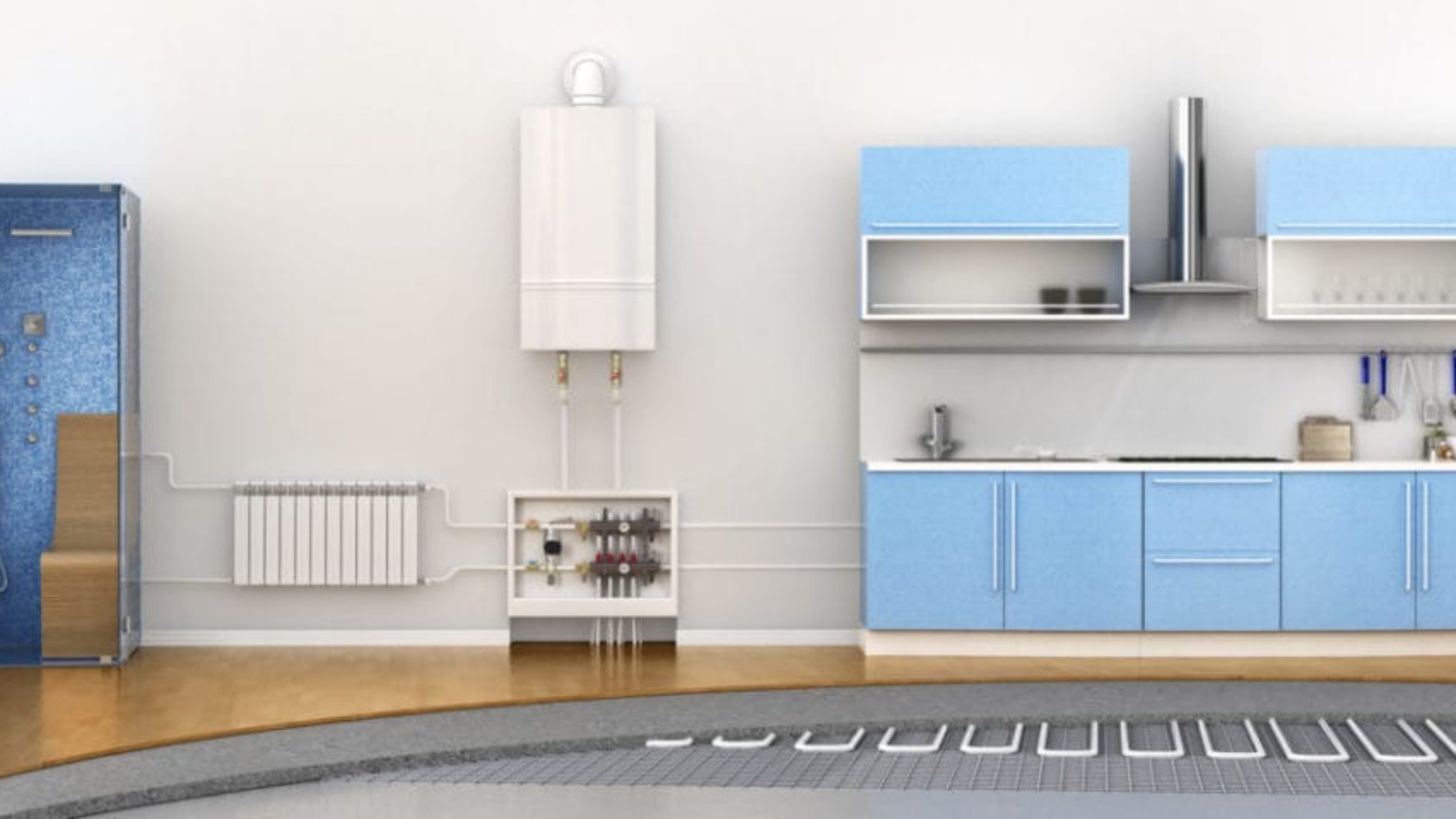
توفر أنظمة التدفئة المركزية Biasi حلولًا متكاملة لتدفئة المباني بطريقة فعّالة ومستقرة، حيث تعمل على:

  • تسخين المياه وتوزيعها عبر شبكة التدفئة
  • دعم أنظمة المشعات (Radiators)
  • التوافق مع أنظمة التدفئة الأرضية
  • العمل بكفاءة في مختلف الظروف المناخية

وتُعد هذه الأنظمة خيارًا مثاليًا لمن يبحث عن حلول تدفئة مركزية موفرة للطاقة في الأردن.


لماذا تختار بويلرات Biasi؟

اختيار Biasi لأنظمة التدفئة المركزية يعني الاستثمار في:

✔️ جودة تصنيع أوروبية

✔️ كفاءة عالية في استهلاك الوقود

✔️ تقليل تكاليف التشغيل على المدى الطويل

✔️ سهولة الصيانة والتشغيل

✔️ أداء مستقر وموثوق

وهذا ما يجعل بويلرات Biasi من أفضل الخيارات في سوق أنظمة التدفئة المركزية في الأردن.


Biasi في الأردن – عبر شركة فليفل

من خلال وكالة شركة فليفل للتدفئة والتبريد والأدوات الصحية، تتوفر أنظمة التدفئة المركزية والبويلرات من Biasi مع دعم فني وخبرة محلية تضمن اختيار النظام الأنسب لكل مشروع، سواء كان سكنيًا أو تجاريًا.