
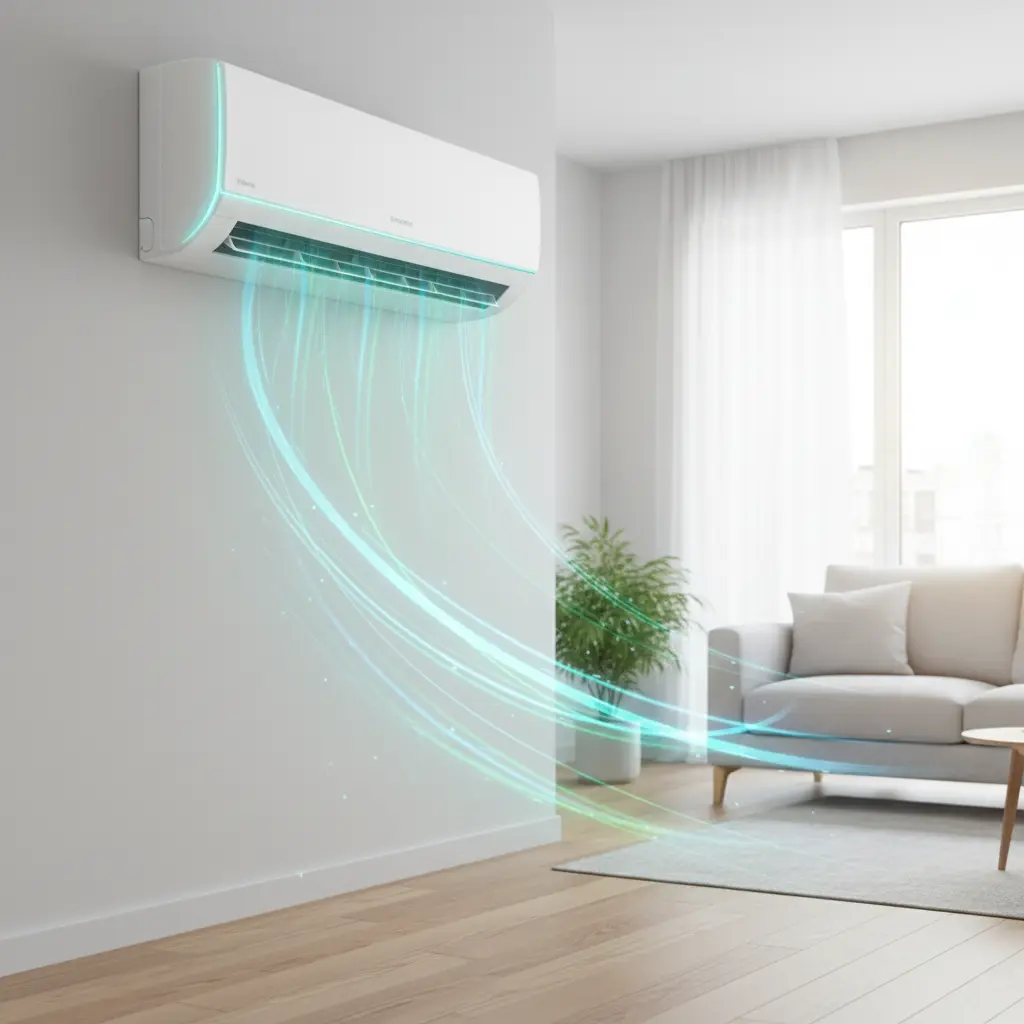
Air conditioning has become a standard feature in homes and offices worldwide, providing comfort during hot weather. However, traditional air conditioning systems can be energy-intensive, contributing to high electricity bills and environmental impact. Today, homeowners and businesses are increasingly prioritizing energy efficient air conditioning solutions to reduce energy consumption, cut costs, and support sustainable living.
Investing in the most energy efficient air conditioning systems is not only a smart financial decision but also an environmentally responsible choice. These systems are designed to deliver optimal cooling performance while consuming minimal energy. In this article, we explore the benefits of energy-efficient air conditioning, how to select the right system, and practical tips to maximize efficiency in your home or office.
What is Energy Efficient Air Conditioning?
Energy efficient air conditioning refers to cooling systems that are designed to deliver high performance while using less electricity than standard air conditioners. Unlike conventional units, which often waste energy due to outdated technology or poor insulation, energy-efficient systems are engineered to optimize cooling without excessive power consumption.
Key Metrics for Energy Efficiency
When choosing an air conditioning system, it is essential to understand key performance indicators:
- SEER (Seasonal Energy Efficiency Ratio): Measures cooling output per unit of energy consumed over a typical cooling season. Higher SEER ratings indicate greater efficiency.
- EER (Energy Efficiency Ratio): Similar to SEER, but calculated under specific conditions.
- COP (Coefficient of Performance): Used mainly in heat pumps, it reflects energy efficiency for both heating and cooling.
Types of Energy Efficient AC Units
Some of the most energy efficient air conditioning systems available today include:
- Inverter Air Conditioners: Adjust the compressor speed to maintain consistent temperatures, consuming less energy than traditional fixed-speed units.
- Ductless Mini-Split Systems: Offer targeted cooling without the energy losses associated with ductwork.
- Smart Air Conditioning Systems: Integrate Wi-Fi control and programmable schedules to optimize energy use.
By understanding these options, homeowners and businesses can make informed decisions that combine comfort with sustainability.
Benefits of Energy Efficient Air Conditioning
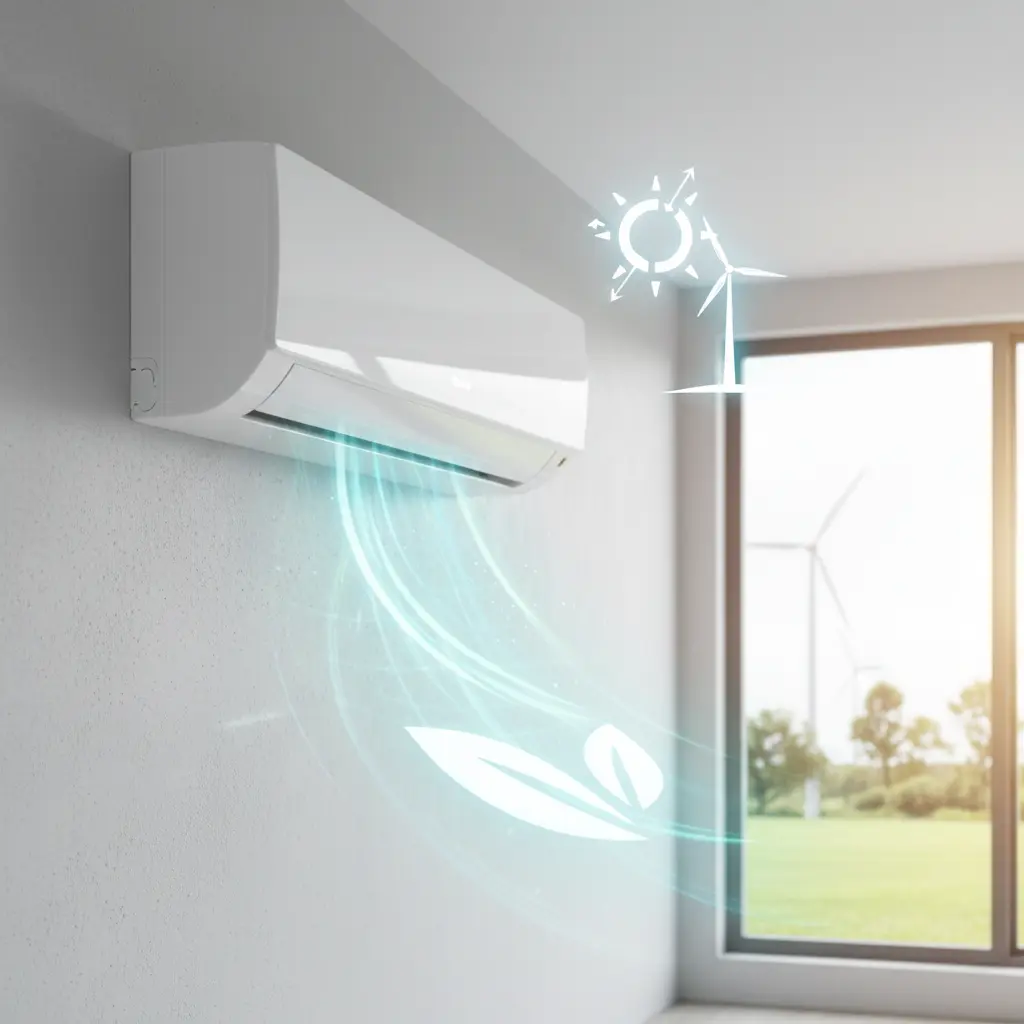
Investing in energy efficient air conditioning brings numerous advantages beyond lower energy bills. Here are some key benefits:
Lower Energy Bills
One of the most immediate and tangible benefits is the reduction in electricity costs. While energy-efficient units may have higher upfront costs, they save money over time due to reduced energy consumption. For instance, upgrading to one of the most energy efficient air conditioning systems can cut cooling costs by up to 30% compared to conventional units.
Reduced Environmental Impact
Energy-efficient air conditioners use less electricity, reducing greenhouse gas emissions from power plants. By choosing an energy-efficient system, you are contributing to a cleaner environment and helping combat climate change.
Enhanced Comfort
Modern energy-efficient systems maintain a stable temperature more effectively. Features like inverter technology and smart sensors ensure consistent cooling without temperature swings or frequent on-off cycles.
Increased Lifespan of the AC Unit
Energy-efficient AC units often experience less wear and tear due to optimized operation, leading to a longer lifespan. Proper maintenance can extend this even further, making it a wise long-term investment.
How to Choose the Right Energy Efficient AC Unit
Selecting the right system requires careful consideration of your home or office size, cooling needs, and energy efficiency goals.
Understand Energy Ratings
Look for units with high SEER or EER ratings. Products certified by programs such as Energy Star often meet or exceed energy efficiency standards.
Consider Your Home Size & Layout
Oversized or undersized AC units can reduce efficiency. Professional assessment ensures your system matches your space, optimizing comfort and energy use.
Inverter vs. Non-Inverter AC
Inverter technology allows compressors to adjust speed according to cooling demand. This leads to substantial energy savings and improved temperature control compared to traditional non-inverter systems.
Smart Features
Wi-Fi-enabled AC units or programmable thermostats allow you to schedule cooling based on your routine. This prevents energy waste when rooms are unoccupied.
Tips to Maximise AC Energy Efficiency
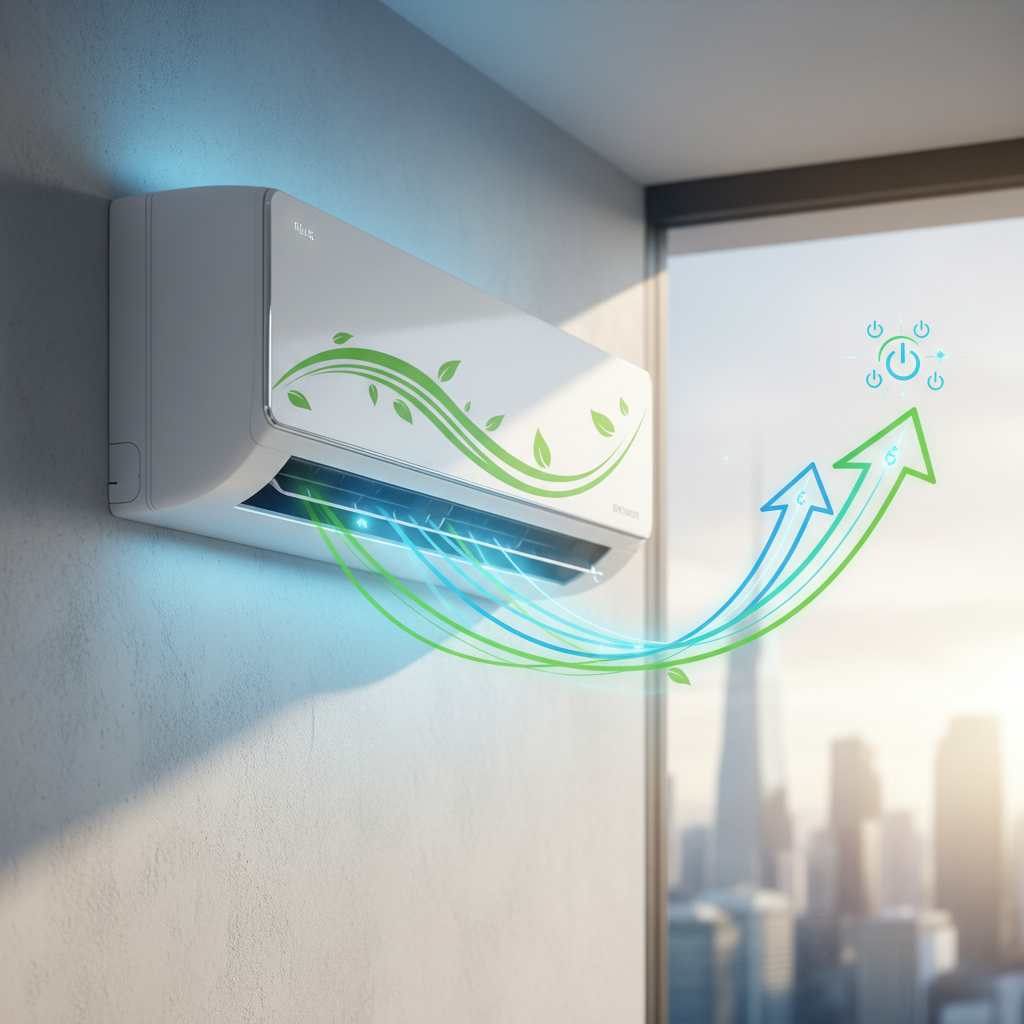
Even the most energy efficient air conditioning systems perform better when paired with smart usage practices:
- Regular Maintenance: Clean filters, coils, and ducts to maintain airflow and efficiency.
- Proper Insulation: Seal gaps and insulate windows to prevent cooled air from escaping.
- Use Fans: Ceiling or portable fans can circulate air, reducing the AC workload.
- Smart Thermostat Settings: Program temperatures according to occupancy patterns.
- Avoid Cooling Empty Rooms: Close doors and vents in unused spaces.
By combining an energy-efficient system with these habits, households and businesses can significantly reduce energy consumption and costs.
Places to buy energy efficient air conditioning
One of the best places to buy energy efficient air conditioning systems is Fleifel for Heating, Cooling & Sanitary Equipment, which offers a wide range of Clivet products designed for homes, offices, and large buildings. These include wall-mounted split units, ducted air conditioners, and advanced VRF systems, considered among the most energy efficient air conditioning systems available. These units are engineered to provide effective cooling while minimizing electricity consumption, using inverter technology and smart controls to optimize performance and reduce energy waste, making them an excellent choice for anyone looking to save energy and lower monthly bills.
Additionally, Fleifel provides comprehensive after-sales support, including warranties, maintenance, and spare parts, ensuring long-term efficiency and reliability. Whether you are seeking solutions for residential or commercial spaces, Clivet products through Fleifel represent a trusted option for energy efficient air conditioning, offering high performance, reliability, and environmentally responsible operation with reduced carbon footprint.
(FAQ)
Q1: Is an inverter AC really more efficient?
A: Yes. Inverter AC units adjust compressor speed based on cooling demand, reducing energy consumption compared to conventional units.
Q2: Can energy-efficient AC units work in very hot climates?
A: Absolutely. Modern energy-efficient systems are designed to maintain cooling performance even in extreme temperatures.
Q3: How much can I save on electricity bills with an energy-efficient AC?
A: Savings vary based on usage, home size, and unit efficiency. On average, households can save 20–30% annually.
Q4: Are there eco-friendly refrigerants?
A: Yes. Many modern units use refrigerants with low global warming potential, such as R-32, which are more environmentally friendly.
Conclusion
Switching to energy efficient air conditioning is a practical way to reduce electricity costs, minimize environmental impact, and enhance comfort. From inverter systems to ductless mini-splits and smart AC units, the most energy efficient air conditioning systems combine technology with sustainability, offering long-term value.
By choosing the right system, maintaining it regularly, and implementing energy-saving habits, homeowners and businesses can enjoy efficient cooling while supporting a greener future. For more information on energy-efficient solutions and rebates, consult trusted resources like Energy Star, ASHRAE, or your local energy authority.
Investing in efficiency today is a step toward a more comfortable, sustainable, and cost-effective tomorrow.
Leave A Comment