

choose air conditioning system is more than just a home improvement decision—it’s an investment in comfort, energy efficiency, and long-term savings. With so many options available, from split ACs and central systems to portable units, selecting the perfect air conditioning system can feel overwhelming. The wrong choice could lead to high energy bills, uneven cooling, and frequent maintenance issues, while the right system ensures consistent comfort and optimal performance for years to come.
In this expert guide, we’ll walk you through everything you need to know about selecting the ideal air conditioning system for your home or office. From understanding different system types to evaluating energy efficiency, installation requirements, and maintenance considerations, this guide provides the knowledge and tips you need to make a confident, informed decision. Whether you’re upgrading your current system or installing a new one, this article equips you with the insights to choose a conditioning system that perfectly fits your space, lifestyle, and budget.
Why choose air conditioning system Matters
Selecting the ideal air conditioning system is not just about picking a device that blows cold air. The right system provides consistent comfort, energy efficiency, and durability. When the wrong type or size of system is installed, it can cause uneven cooling, excessive energy consumption, and costly repairs.
According to industry data, heating and cooling systems account for nearly 50% of a household’s energy consumption. Choosing an energy-efficient air conditioning system can significantly reduce electricity bills and your carbon footprint.
Moreover, modern air conditioning systems offer more than just temperature control. They can improve indoor air quality, maintain optimal humidity levels, and provide quiet, unobtrusive operation. For businesses, choosing the right conditioning system can enhance employee comfort and productivity, creating a better working environment.
Types of Air Conditioning Systems
Choosing the right air conditioning system requires understanding the different options available and how each system works. Every type of system has unique advantages, limitations, and ideal applications depending on the size of your space, budget, and cooling needs.
1. Split Air Conditioning Systems
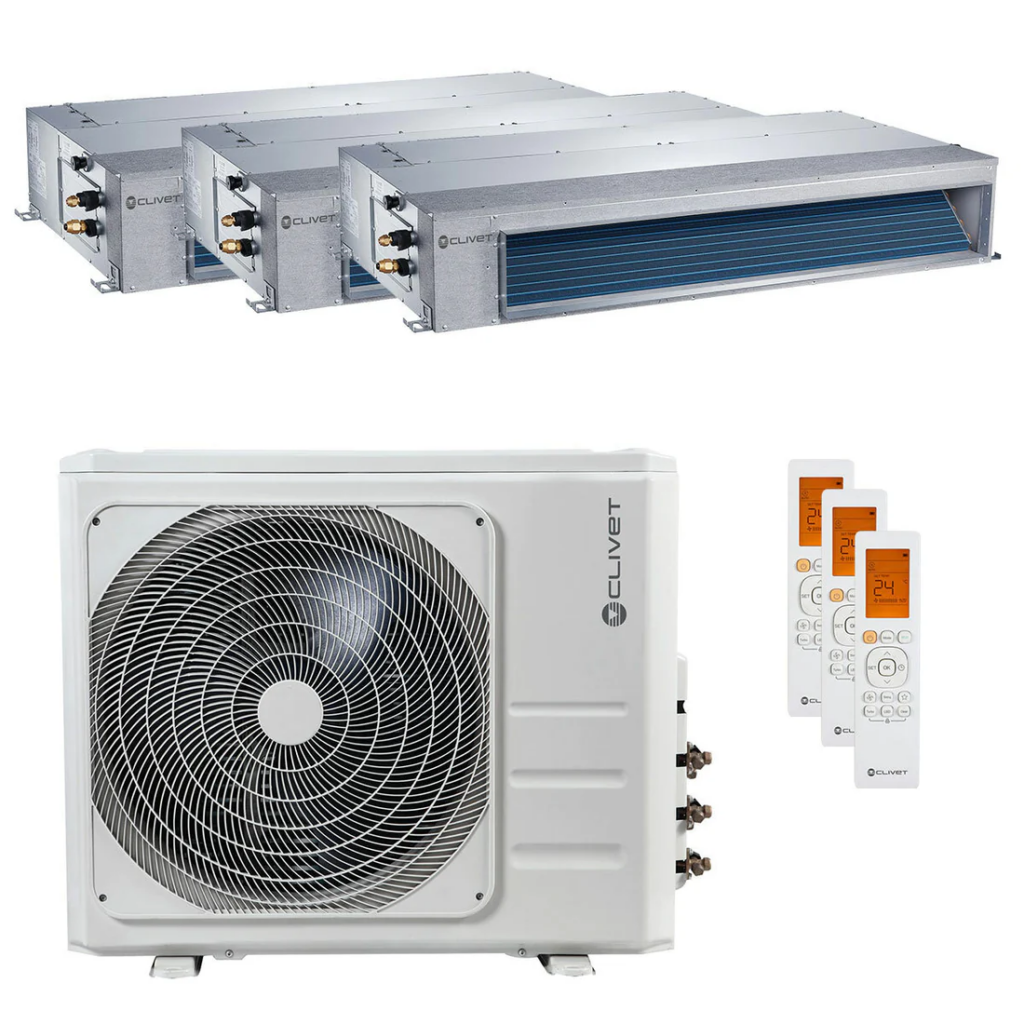
A split air conditioning system consists of two main components: an indoor unit that blows cooled air into the room and an outdoor compressor that removes heat from the building. These systems are particularly popular in homes and small offices because they provide effective cooling for individual rooms. Split systems are quiet, energy-efficient, and visually unobtrusive, with the indoor unit mounted on a wall or ceiling. While they excel in cooling single rooms, multiple units may be required for larger spaces, which can increase overall installation costs. Split AC systems are ideal for apartments, bedrooms, or any space where independent control of cooling is desired.
2. Central Air Conditioning Systems
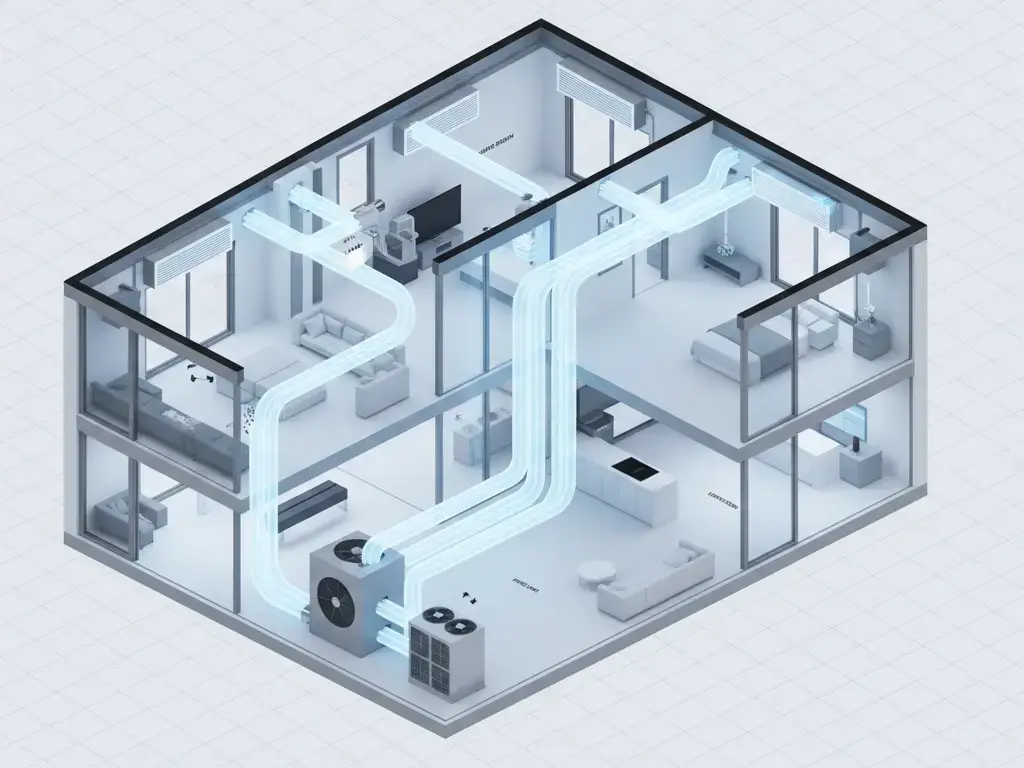
Central air conditioning systems are designed to cool entire homes or commercial buildings through a network of ducts that distribute conditioned air evenly throughout multiple rooms. These systems provide consistent temperature control and often include air filtration features, which improve indoor air quality. Central systems are highly effective for large spaces and can reduce humidity while providing quiet operation. However, they require a significant upfront investment, professional installation, and existing ductwork or space to install ducts. Central AC is best suited for large homes, offices, or commercial buildings where uniform cooling is essential.
3. Window Air Conditioning Units
Window air conditioning systems are compact units designed to fit into a window opening and cool a single room. They are a cost-effective solution for seasonal or temporary cooling needs. Window units are easy to install and operate, making them ideal for renters or those who need a simple cooling solution without professional help. However, they typically have limited cooling capacity, can be noisy, and may block natural light. Window AC units are best suited for small rooms, apartments, or spaces that do not require centralized cooling.
4. Portable Air Conditioning Units
Portable air conditioning systems are freestanding units that can be moved from room to room as needed. They operate by drawing warm air from the room, cooling it internally, and then venting the hot air outside through a hose connected to a window or wall. Portable systems offer flexibility and are suitable for temporary or seasonal use, as well as for renters who cannot install permanent units. While they are convenient and easy to relocate, portable ACs are generally less energy-efficient than fixed systems and provide limited cooling capacity. They are ideal for small spaces or short-term cooling needs.
5. Ductless Mini-Split Systems
Ductless mini-split air conditioning systems combine the advantages of split and central AC systems while allowing for independent control of multiple indoor units. Each indoor unit is connected to an outdoor compressor but can be operated separately, making these systems highly versatile and energy-efficient. Ductless mini-splits are ideal for homes without existing ductwork or for room additions where extending ducts is impractical. They operate quietly and offer precise cooling control for individual zones, though the initial investment per unit can be higher than other systems. Ductless mini-splits are perfect for homeowners seeking energy efficiency, flexibility, and modern design in their cooling solution.
Key Factors to Consider Before Choosing an AC
Selecting the right air conditioning system requires evaluating several key factors to ensure optimal performance, energy efficiency, and comfort.
1. Energy Efficiency
Efficiency ratings such as SEER (Seasonal Energy Efficiency Ratio) or EER (Energy Efficiency Ratio) measure an AC’s performance relative to energy consumption. Higher ratings indicate lower energy bills and reduced environmental impact.
Tip: Look for ENERGY STAR certified systems to guarantee energy-efficient performance.
2. Room Size & Cooling Capacity
AC capacity is measured in BTUs (British Thermal Units). A system that is too small will struggle to cool the space, while an oversized system may cycle on and off too frequently, wasting energy.
Tip: Consult HVAC professionals to calculate the correct air conditioning system capacity based on room size, insulation, and climate.
3. Budget & Long-Term Costs
While it may be tempting to select the cheapest system, consider the total cost of ownership. Energy-efficient systems may have higher upfront costs but save money in the long run through lower electricity bills.
Tip: Factor in installation, maintenance, and repair costs when budgeting.
4. Maintenance Requirements
Some systems require frequent filter replacements or annual professional servicing, while others are designed for low maintenance.
Tip: Choose a conditioning system that aligns with your ability to maintain it regularly for optimal performance.
5. Installation Requirements
Complex systems like central AC may require ductwork, while split or portable systems are easier to install. Proper installation by certified technicians is critical to ensure efficiency and longevity.
Expert Tips for Choosing & Maintaining Your AC
Proper use and maintenance of your air conditioning system can extend its lifespan and improve efficiency.
1. Hire Certified Professionals
Always rely on certified HVAC technicians for installation, repair, and maintenance. Incorrect installation can reduce efficiency and void warranties.
2. Perform Regular Maintenance
- Clean or replace filters monthly
- Schedule annual professional servicing
- Check refrigerant levels and ensure ducts are sealed
3. Optimize Energy Efficiency
- Set thermostats to 24–26°C (75–78°F) during summer
- Use programmable thermostats to reduce energy waste
- Insulate rooms to maintain consistent temperature
4. Consider Smart Technology
Modern air conditioning systems include Wi-Fi-enabled thermostats, energy monitoring, and zone controls. These features improve comfort and reduce operational costs.
The best places to buy an air conditioning system
When looking for a high-quality air conditioning system, Fleifel offers a wide range of Clivet products that combine efficiency, reliability, and advanced technology. Their systems are designed to meet the specific needs of different buildings, providing optimized energy efficiency, easy installation, and improved environmental performance. From wall-mounted split units to concealed ceiling systems and advanced VRF (Variable Refrigerant Flow) solutions, Clivet products simplify the process of choosing and installing a conditioning system while ensuring precise climate control and reduced operational costs.
Fleifel also prioritizes customer support and after-sales service, making it one of the best places to purchase an air conditioning system. They provide comprehensive warranties, readily available spare parts, and fast maintenance services to ensure your system operates at peak performance. Whether you are installing a system for a residential, commercial, or industrial space, Fleifel’s Clivet products offer a reliable and energy-efficient solution that enhances comfort while adding long-term value to your property.
FAQs
Q1: Can I install an AC myself, or should I hire a professional?
A: While small window or portable units can be installed by homeowners, it is highly recommended to hire certified HVAC professionals for split, central, or ductless systems to ensure proper installation and efficiency.
Q2: Which AC is best for a small apartment?
A: Split AC systems are usually ideal for small apartments due to their quiet operation, energy efficiency, and compact indoor unit design.
Q3: How much energy does each type of AC consume?
A: Central AC systems consume more energy but can efficiently cool large spaces. Split AC and ductless systems are more energy-efficient for smaller areas. Check SEER/EER ratings for precise consumption details.
Q4: What is the average lifespan of an air conditioning system?
A: Properly maintained systems typically last:
- Central AC: 15–20 years
- Split AC: 12–15 years
- Window AC: 8–10 years
- Portable AC: 5–8 years
Q5: Is it better to buy a more expensive, energy-efficient model?
A: Yes, energy-efficient models may have a higher initial cost but offer long-term savings, lower environmental impact, and often come with longer warranties.
Conclusion
Choosing the right air conditioning system requires careful consideration of space, cooling needs, energy efficiency, and budget. By understanding the differences between split, central, window, portable, and ductless systems, homeowners and business owners can make an informed decision that balances comfort and cost.
Regular maintenance, professional installation, and attention to energy efficiency are critical for prolonging the lifespan and performance of any air conditioning system. Whether you are selecting a system for a small apartment or a large office, consulting HVAC experts ensures your cooling solution is reliable, efficient, and tailored to your specific needs.
For more guidance on selecting the perfect air conditioning system, consult certified HVAC professionals and refer to authoritative resources for expert advice on installation, maintenance, and energy-efficient operation.
Leave A Comment