

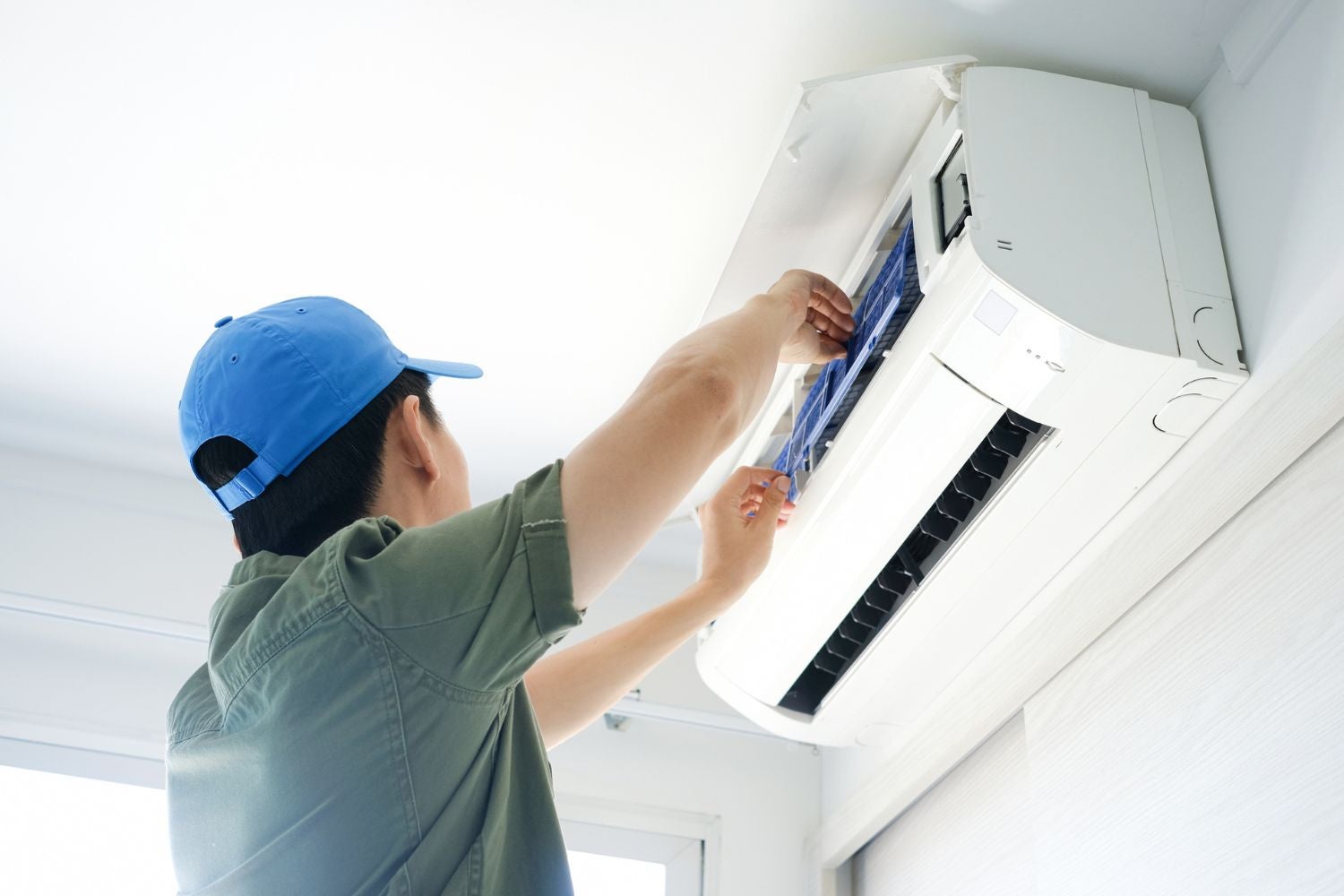
Residential air conditioning systems (residential AC) are essential for keeping homes comfortable year-round, whether during hot summers or humid winters. Choosing the right system goes beyond simply providing cool air—it also improves indoor air quality, enhances energy efficiency, and reduces utility costs. Regular maintenance and professional services, such as residential AC maintenance Sarasota or residential AC repair Houston, play a crucial role in keeping your system running efficiently and extending its lifespan.
With the wide variety of options available in the market, it’s important to understand the different types of residential AC systems, their features, and how to select the best one for your home. This comprehensive guide covers everything from residential AC installation and expert maintenance tips to reliable repair services like residential AC repair near, offering practical advice based on expert experience and trusted sources to ensure optimal performance and long-term satisfaction.
What is a Residential AC?
A residential AC refers to an air conditioning system designed specifically for homes. Unlike commercial or industrial units, residential AC systems are built for smaller spaces and are optimized for comfort, efficiency, and quiet operation.
Types of Residential AC Systems
- Split AC Systems: Popular in modern homes, these systems separate the indoor unit from the outdoor condenser. Ideal for energy efficiency and quiet operation.
- Central AC Systems: Provide cooling throughout the entire home via ductwork. They are ideal for larger houses and those seeking uniform cooling.
- Window AC Units: Compact, self-contained units suitable for single rooms or small apartments.
- Portable AC Units: Flexible solutions for renters or temporary cooling needs, although generally less efficient than split or central systems.
Each type has its pros and cons, depending on your home size, budget, and cooling preferences. For example, residential AC installation bucks county pa often involves central AC systems for new homes due to ductwork planning and long-term efficiency.
Benefits of Installing a Residential AC
Installing a high-quality residential AC system offers numerous advantages:
1. Home Comfort
Nothing beats walking into a cool, comfortable home after a hot day. Properly installed residential AC systems ensure consistent temperature control in every room.
2. Energy Efficiency
Modern units are designed to reduce energy consumption without compromising cooling power. Choosing energy-efficient models can save hundreds of dollars annually on electricity bills.
3. Healthier Indoor Air Quality
Many residential AC systems include air filters that remove dust, pollen, and allergens. This is especially beneficial for homes with children, pets, or residents with allergies.
4. Increased Property Value
A modern AC system adds value to your home. Buyers often prioritize homes with reliable cooling systems, making residential AC sales a long-term investment.
5. Convenience and Reliability
With professional residential AC services stafford va or other locations, homeowners can enjoy peace of mind knowing their systems are maintained by certified technicians.
How to Choose the Right Residential AC
Selecting the ideal residential AC requires careful consideration of multiple factors:
1. Home Size
The cooling capacity of an AC system, measured in BTUs (British Thermal Units), must match your home size. Oversized units waste energy, while undersized units struggle to cool effectively.
2. Climate
Hot, humid climates benefit from systems with dehumidifying capabilities, while milder climates can prioritize energy efficiency. For example, homeowners in Tucson often search for residential AC Tucson AZ or residential AC Tucson Arizona for systems that handle desert heat efficiently.
3. Budget
Costs vary depending on the type of unit and installation complexity. Budget considerations include initial purchase, professional residential AC installation, and long-term maintenance.
4. Energy Efficiency
Look for Energy Star ratings, SEER (Seasonal Energy Efficiency Ratio), and EER (Energy Efficiency Ratio) when choosing your unit. High-efficiency systems reduce electricity bills and environmental impact.
5. Brand Reputation and Reviews
Check residential AC reviews from trusted sources to understand performance, reliability, and customer satisfaction.
Places to install residential air conditioners
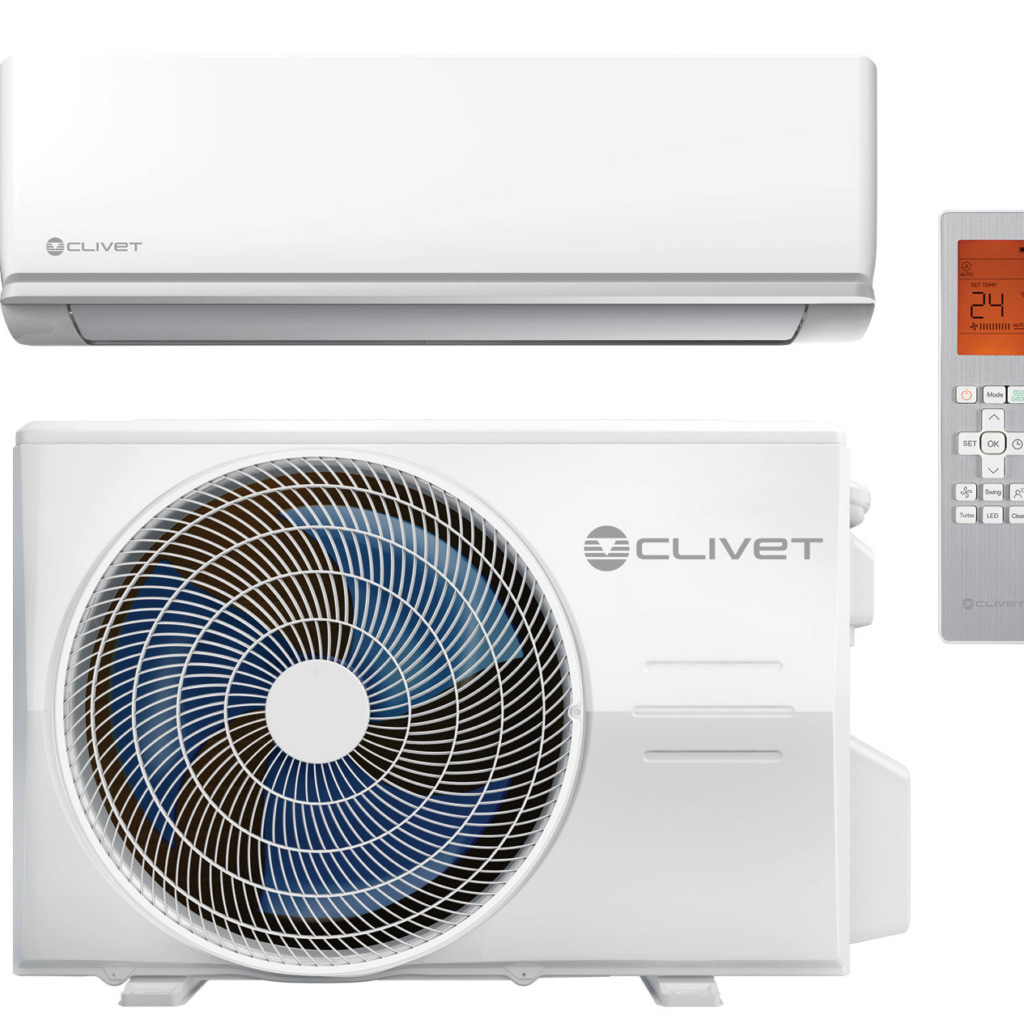
Choosing the right location for a residential AC installation is crucial for optimal performance, energy efficiency, and indoor comfort. Wall-mounted units, ceiling-concealed systems, and VRF (Variable Refrigerant Flow) systems are popular solutions for different home layouts. Companies like Fleifel Co. offer specialized Clivet products designed to fit a variety of residential applications, making it easier to select the most suitable system based on room size, airflow requirements, and aesthetic considerations. Proper placement ensures even cooling, reduces energy consumption, and prolongs the lifespan of the unit.
Fleifel Co.’s range of Clivet air conditioning solutions simplifies installation in various parts of the home, whether it’s a living room, bedroom, or open-plan space. Ceiling-concealed units are ideal for maintaining a clean interior look, while wall-mounted units offer flexibility in smaller rooms. VRF systems provide advanced zoning control, allowing multiple areas to be cooled independently, which is perfect for larger residences. By partnering with Fleifel Co., homeowners can access expert guidance and high-quality products that enhance comfort, reduce operational costs, and meet modern energy standards.
How to maintain home air conditioners
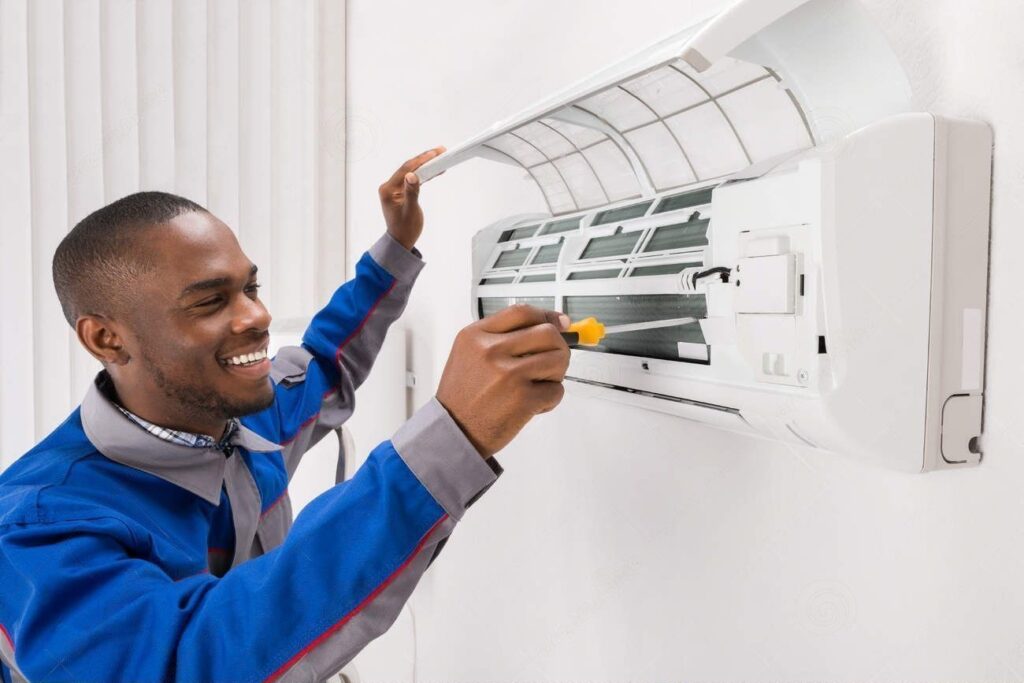
Proper maintenance is key to keeping your residential AC system running efficiently, extending its lifespan, and ensuring consistent cooling throughout your home. Regular care not only prevents costly repairs but also improves indoor air quality and reduces energy bills. Homeowners can perform simple routine tasks themselves, while professional services like residential AC maintenance Sarasota provide comprehensive seasonal checkups.
Essential Maintenance Tips
- Clean or Replace Air Filters: Dirty filters restrict airflow, making the system work harder. Replace or clean filters every 1–3 months depending on usage.
- Check the Coils: Both the evaporator and condenser coils accumulate dust and debris over time, reducing cooling efficiency. Clean them regularly or have a technician do it during a service visit.
- Inspect Refrigerant Levels: Low refrigerant affects cooling performance. Only certified technicians should handle refrigerant checks to ensure safety and compliance.
- Examine the Ductwork: Leaks or blockages in ducts can cause uneven cooling and higher energy bills. Regular inspection ensures the system operates efficiently.
- Test the Thermostat: Ensure your thermostat accurately controls temperature and is programmed for optimal energy use. Smart thermostats can further improve efficiency.
- Schedule Professional Servicing: Services like residential AC repair Houston, residential AC services Stafford VA, or residential AC repairs Benton AR help catch potential issues early, ensuring your system operates smoothly year-round.
By following these maintenance steps, homeowners can enjoy a comfortable indoor environment, lower energy costs, and reliable operation. Regular upkeep is especially important for systems in regions with extreme climates, such as residential AC Tucson AZ or residential AC Tucson Arizona, where continuous use places extra demand on the system.
Energy Efficiency and Cost-Saving Tips
Maximizing the efficiency of your residential AC system saves money and reduces environmental impact.
- Upgrade to a High-SEER Unit – More efficient units consume less energy.
- Install Smart Thermostats – Programmable settings reduce energy waste.
- Seal Windows and Doors – Prevents cooled air from escaping.
- Schedule Seasonal Maintenance – Keeps systems running at peak efficiency.
- Consider Zoning Systems – Cool only occupied rooms for energy savings.
(FAQs)
1. How long does a residential AC last?
With proper residential AC maintenance Sarasota or other services, systems can last 12–20 years, depending on usage and climate.
2. How much does residential AC installation cost?
Costs vary by system type, home size, and location. Professional installation like residential AC installation bucks county pa typically ensures proper warranty coverage and efficiency.
3. Can I install AC myself?
DIY installation is possible for small units, but professional installation is recommended for split or central systems to avoid safety hazards and ensure optimal performance.
4. How do I find reliable repair services near me?
Search terms like residential AC repair near or residential AC services stafford va help identify certified, local technicians.
5. Which AC is best for Tucson homes?
Desert climates require units with high cooling capacity and durability. Look for residential AC Tucson AZ or residential AC Tucson Arizona for locally recommended systems.
Conclusion
In conclusion, choosing, installing, and maintaining a residential AC system is essential for keeping your home comfortable all year round. By investing in a high-quality system, performing regular maintenance, and relying on professional services like residential AC maintenance Sarasota or residential AC repair Houston, homeowners can enjoy reliable performance, energy efficiency, and long-lasting comfort.
Whether you’re planning a residential AC installation Bucks County PA or need prompt repairs with residential AC repair near your location, professional guidance and experience make all the difference in optimizing indoor air quality, reducing energy costs, and ensuring peace of mind. A carefully selected and well-maintained AC system doesn’t just cool your home—it provides comfort, safety, and confidence for years to come.
Leave A Comment